

What parents need to know about choosing legal scholar transport in South Africa.
Bulelwa Hoala
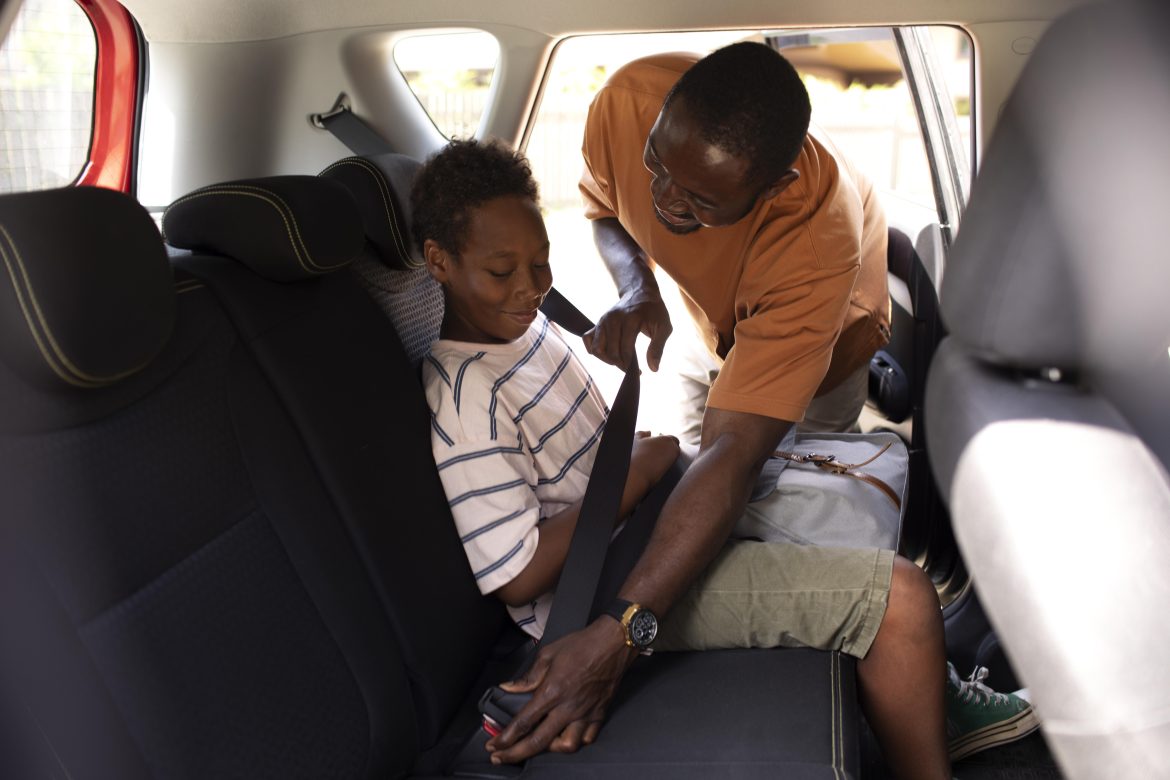
For many parents in Gauteng and across South Africa, scholar transport is a daily necessity to ensure that children are transported to and from school safely.
As a parent, this means you aren’t merely paying for your child’s transportation, but you are also trusting someone with your child’s life.
While accidents can occur, the recent tragic scholar transport accident that occurred in Vanderbijlpark, which claimed the lives of 14 learners, has reinforced the importance of choosing the right scholar transport for your child.
The government is also scrambling to formalise the scholar transport sector, with the Gauteng Department of Roads and Transport working to resolve longstanding issues that have prevented operators from obtaining scholar transport operating licences.
For now, we have put together a guide with practical steps parents can follow to help them choose legal, safe, and reliable scholar transport for their children.
Legal transport
For an operator to legally transport children, they must have an operating licence registered with the Department of Transport or the local municipality. By law, they are required to have a Professional Driving Permit (PrDP), a valid driver’s licence with the correct code for the vehicle they are driving, a roadworthy certificate, and a valid licence disk.
Parents can ask transport operators to show these documents to confirm compliance. Transport operators must also be tax compliant and, in many cases, provide a valid SARS tax clearance certificate.
Driver experience
Parents should find out whether the driver has a police clearance certificate, which is also a requirement when applying for a scholar transport operating licence. Other important questions include how long the driver has been transporting learners and whether they have ever been involved in a serious accident.
Insurance
Transport operators are required to have a contract and public liability insurance. These provide protection and accountability should anything happen to your child. Operators should also have clearly stipulated payment terms for fees.
Check the vehicle
Parents should not rely on pictures alone, but ask to see the vehicle in person and inspect the scholar transport. Things to look out for include a vehicle that is clearly marked with scholar transport signage, is well maintained and in good working condition (seatbelts, tyres, and lights), has no overcrowding (each child must have their own seat), and is clean.
Safety
Young children should never cross roads alone. In such cases, the scholar transport driver should be prepared to assist or have an assistant available to do so. There should also be a clear plan outlining what happens in emergencies, such as vehicle breakdowns or accidents.
Communication
There must be clear and open lines of communication between parents and transport operators. This includes a dedicated phone number you can contact or a WhatsApp group where updates and delays can be communicated regularly. There should also be clear rules regarding what happens when the driver is late or in the event of an emergency.
Word of mouth
Parents are encouraged to do their own research by speaking to other parents who already use scholar transport and asking for recommendations. It is also advisable to ask your child’s school for a list of approved transport operators and to take note of any concerns around behaviour or punctuality.
If a transport operator refuses to show documentation or the vehicle is in bad condition, parents should not be afraid to walk away, no matter how low the fees may be. Remember that reliable scholar transport can offer peace of mind and help prevent any future tragedies.
READ NEXT: Safety first: Gauteng moves to formalise scholar transport