
By: Natasha Archary
Definition of Obsessive Compulsive Disorder: Obsessive-Compulsive Disorder (OCD) is a common, chronic, and long-lasting disorder in which a person has uncontrollable, reoccurring thoughts (obsessions) and/or behaviours (compulsions) that he or she feels the urge to repeat over and over.
It may sound like no big deal when someone refers to themself as “OCD” but Obsessive Compulsive Disorder is a mental health disorder that can trigger distressing feelings.
OCD can affect all aspects of a person’s life and the obsessive, repetitive thoughts, urges or mental images can cause anxiety.
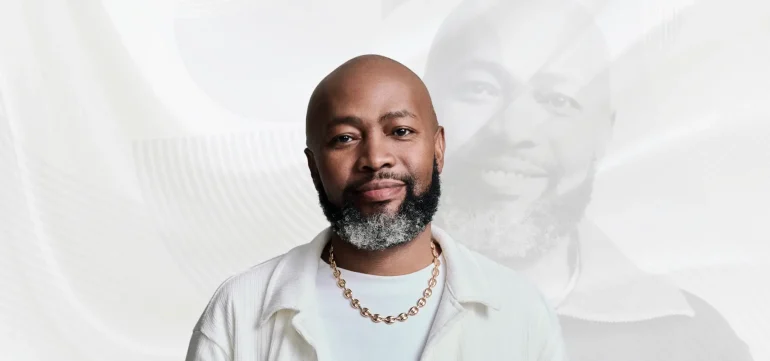
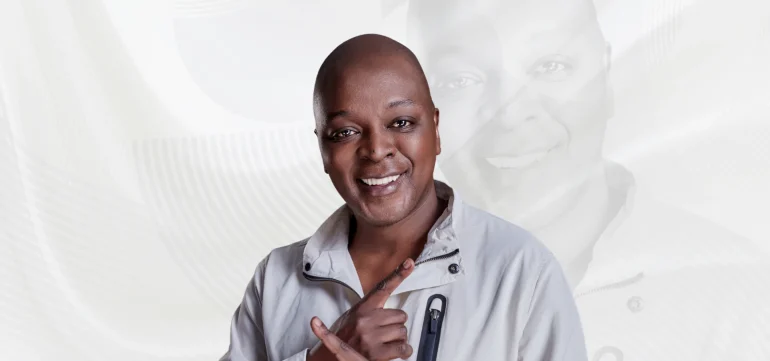
Kaya Drive with Sizwe Dhlomo got into Obsessive Compulsive Disorder this Thursday and both Sizwe and Sandile van Heerden admitted to being OCD to a degree.
Sandile’s OCD stems from him being a germaphobe and especially the COVID-19 pandemic has just heightened the level of obsessive compulsion to keep germs at bay. He sanitizes everything and hates when people try to touch him.
Sizwe is a tad OCD too, the Kaya Drive presenter recounted times when he was working on a project and would need all the wires colour co-ordinated and neatly bundled together.
Listen to the team’s views on OCD here:
The dark side of OCD
There is a darker side to OCD that involves people with sex addiction. As psychologist Jon Pedrosa explained to Sotho Meyer much like any addiction, sex addiction can be defined as an obsessive-compulsive disorder. It’s a constant fixation to find relief, with or without one’s partner.
Obsessions are repeated thoughts, urges, or mental images that cause anxiety.
Common symptoms include:
- Fear of germs or contamination
- Unwanted forbidden or taboo thoughts involving sex, religion, or harm
- Aggressive thoughts towards others or self
- Having things symmetrical or in a perfect order
Not all repetitive habits are considered OCD traits however but when a person’s obsessive behaviour affects their personal life it may be necessary to seek professional help.




![[WATCH PODCAST] Mr. Mercedes drops highly anticipated project, joining forces with Thabo Smol and Spice Drums](https://www.kaya959.co.za/wp-content/uploads/2026/10/KAYA-959-THUMBNAILS-79-100x100.png)
![[WATCH PODCAST] Tumisho Masha commands the screen as colonel Jack Phatudi in M-Net’s new must-watch series](https://www.kaya959.co.za/wp-content/uploads/2026/10/KAYA-959-THUMBNAILS-78-100x100.png)