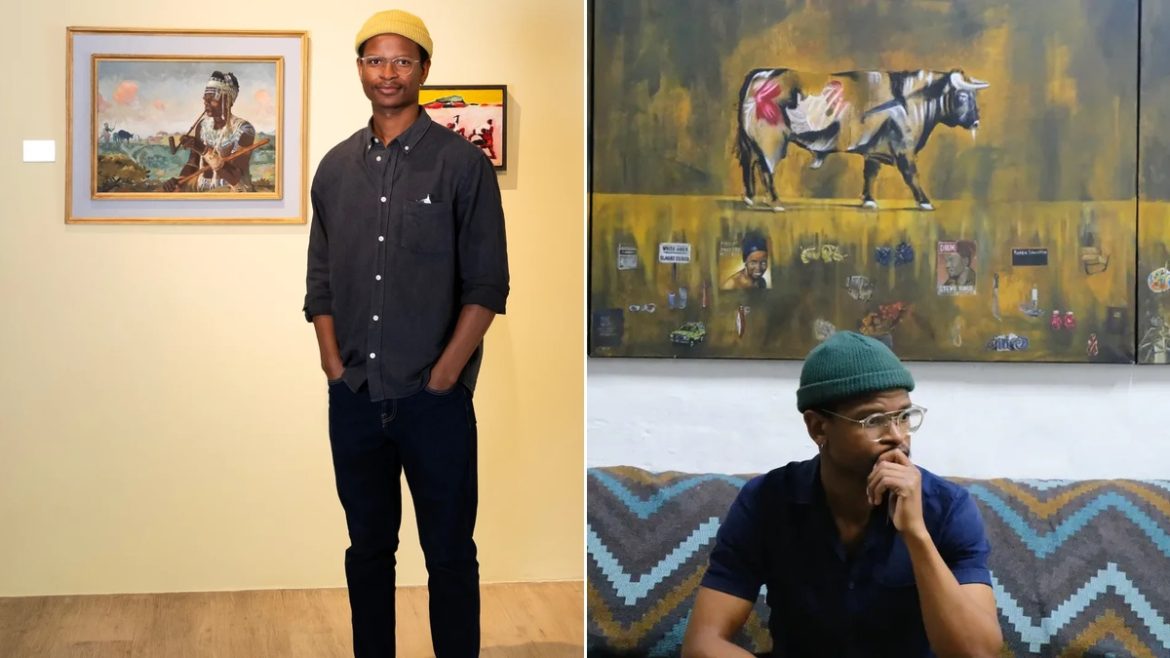

Soweto-born artist Richard ‘Specs’ Ndimande has created an original artwork for the kwaito legend, celebrating not only his contribution to music but also the artists, people and culture he has helped shape.
By Mapaballo Borotho
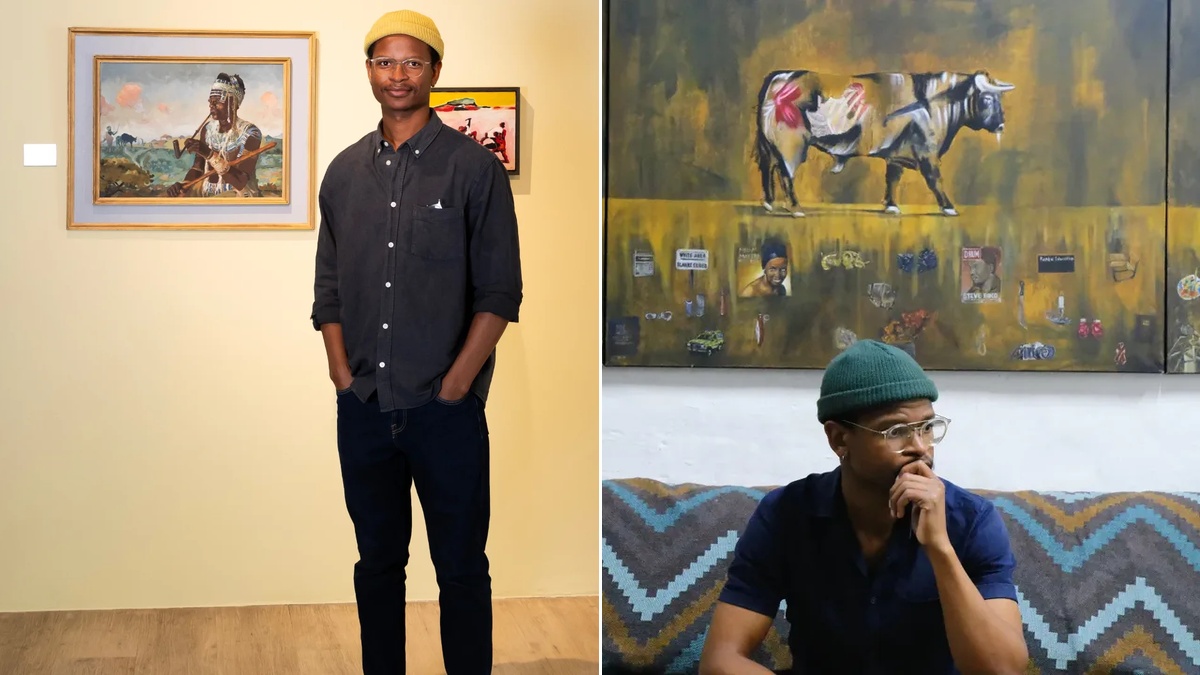
With Oskido’s Big Day Out just hours away, anticipation is building for a celebration of one of the most influential figures in South African music and culture. And what better way to honour the kwaito legend than with an original artwork created especially for him?
The event comes a few months after President Cyril Ramaphosa honoured the kwaito pioneer with the Order of Ikhamanga, recognising the role that Oskido, whose real name is Oscar Mdlongwa, has played in shaping South African kwaito and house music while building platforms and mentorship pathways for emerging talent.
Now, he is set to receive an original artwork created by South African artist Richard Specs Ndimande to celebrate his achievements and lasting cultural influence.
Kaya 959 sat down with Ndimande to find out how he felt about creating the piece for the music legend, the inspiration behind its various elements and the creative process that brought it to life.
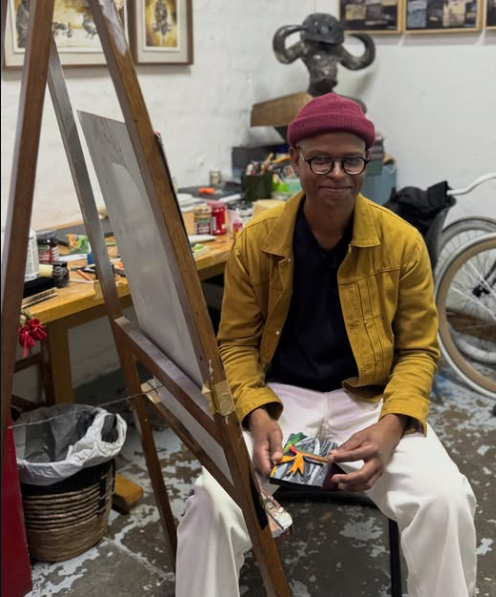
In our conversation, Ndimande said he was elated when the opportunity came along.
“Oskido is someone who has played a significant role in shaping South African music and popular culture, so it was an interesting person and subject to engage with.
What particularly excited me was the opportunity to explore his contribution beyond the music itself, looking at the people, culture and movements that have been influenced by his work,” he said.
At the time of our conversation, the artwork was nearing completion. We cannot wait to see the finished piece presented to Oskido on Saturday.
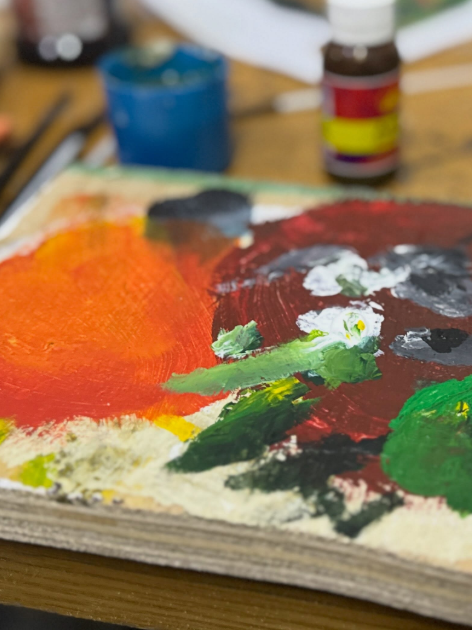
For Ndimande, Oskido is an important cultural figure whose contribution goes beyond producing music and entertaining audiences.
He believes the music producer has helped shape South Africa’s cultural landscape, particularly through his influence on kwaito, dance culture and the careers of the artists he has worked with.
“I think his contribution can also be seen in the way people dress, dance, socialise and express themselves. He is part of a generation that helped shape a particular cultural identity in South Africa,” he said.
The creative process behind the artwork
The artwork is divided into two parts, with each section representing a different aspect of Oskido’s contribution to South Africa’s entertainment, arts and culture industry.
At the centre is a block of carved wood depicting the strelitzia flower, also known as the bird of paradise. The flower is particularly significant because of its association with the Order of Ikhamanga, which Oskido received in Silver.
Ndimande said he chose the flower as a symbol of Oskido’s contribution to the careers of the artists he has worked with.
“The carving represents Oskido as someone who has helped shape and nurture artists, much like a sculptor works with a material to bring something into form. The artists, in turn, grow, develop and eventually stand out in their own right, much like the flowers.
The upper section of the painting features leaves that resemble feathers, another reference to the people Oskido has worked with.
There is an idea that after his influence and contribution, these individuals are able to spread their wings and fly, leaving their own marks behind,”Ndimande explained.
At the bottom is a still life representing Oskido’s cultural contribution. It includes a pair of sneakers, a bucket hat and one of his CDs. Together, these objects speak to the culture surrounding his music, from dancing and fashion to the everyday experiences of the people who have engaged with it.
Ndimande said every detail, from the colours to the objects and symbols, was carefully considered.
The sneakers represent dancing and the experience of coming home after a concert. The bucket hat references township fashion and dance culture, particularly pantsula and skhanda-inspired styles, while the CD, Church Grooves Vol. 6, represents the music that brought these experiences together.
“I wanted the objects to feel familiar and relatable, almost like a snapshot of a cultural experience that many South Africans can recognise,” he added.
The artist also explained how he approached translating Oskido’s contribution into a visual piece without creating a straightforward portrait of him.
“The strelitzia became an important starting point because of its association with the Order of Ikhamanga. I then thought about how I could use the flower to communicate his influence on other artists. This led me to the idea of carving the flower into wood, almost suggesting the act of shaping and nurturing something.
From there, I developed the background with the large leaves, which also take on the appearance of feathers. I liked the idea of connecting the leaves and feathers because they suggest growth, movement and the ability to fly.”
The bottom section developed as a still life, with familiar objects that connect to the culture surrounding Oskido’s music.
Stepping outside his artistic comfort zone
Like any creative commission, bringing the artwork to life came with its own challenges. For Ndimande, one of the biggest challenges was stepping outside his usual artistic practice.
Much of his work explores hard-hitting social issues, including politics, inequality and human rights violations. He often gravitates towards darker palettes, monochromatic colours and subject matter that raises difficult questions.
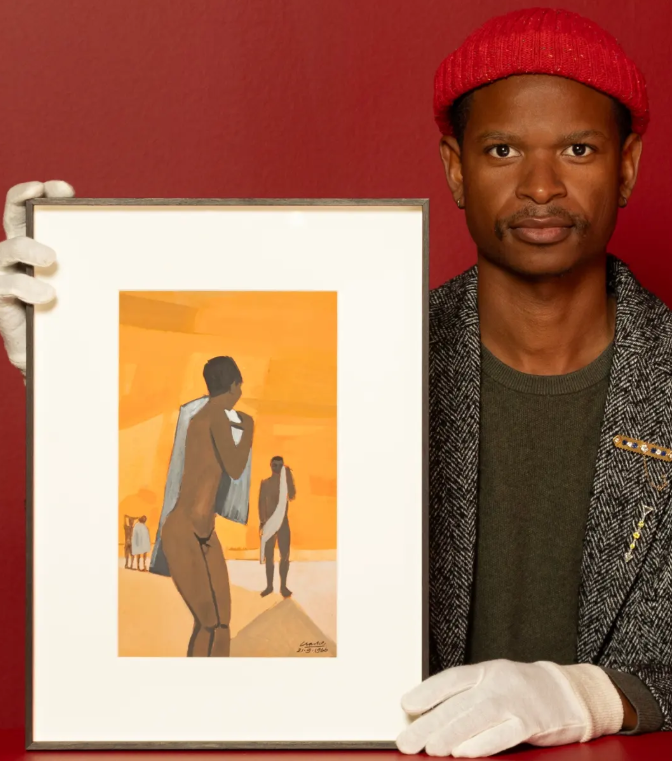
This commission, however, called for something different.
“I often gravitate towards darker palettes, monochromatic colours and subject matter that asks difficult questions.
This commission was different. It was dealing with music, culture, celebration and something much lighter in its subject matter. Even the colour palette was outside my comfort zone. I had to allow myself to work with brighter, more expressive colours.
I also generally find commissioned work challenging because you are working with a particular person and occasion in mind, while still trying to maintain your own artistic language,” he said.
He deliberately worked with a brighter and more colourful palette than he would normally use, explaining that the colours helped create a sense of celebration, energy and movement that suited the subject.
Despite the challenges, Ndimande said the experience was rewarding because it gave him an opportunity to experiment, have fun and engage with a subject that celebrates one of South Africa’s prominent cultural figures.
“It reminded me that art doesn’t always have to come from a place of conflict or difficult questions. Sometimes it can simply celebrate life, music and the things that bring people together.”
The man behind the artwork: Who is Richard ‘Specs’ Ndimande?
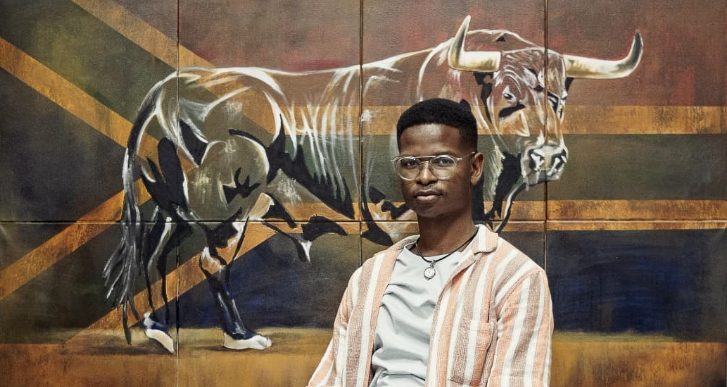
Ndimande describes his artistic practice as multidisciplinary, working across different mediums, including painting, drawing and sculpture.
His work is largely driven by questions about society, history, politics and the human condition. He is particularly interested in how the past continues to shape the present and how social conditions and structures are carried from one generation to another.
“A lot of my work starts with a question, and the process of making becomes a way of investigating that question.
I am inspired by the world around me, by everyday experiences, conversations and observations. I am also interested in how art can create conversations between different generations and encourage us to look at things we might otherwise take for granted,” he said.
Looking ahead
As the artwork prepares to take centre stage and be presented to Oskido on Saturday, Ndimande hopes it will leave the musician feeling recognised and appreciated, not only for the music he has produced but also for the people and culture he has helped shape.
“I would also like him to see that the artwork acknowledges the wider impact of his contribution. It is not just about him as an individual, but about the many artists, musicians and ordinary people whose lives have been touched by his work.
Ultimately, I hope he sees something of his journey and legacy reflected in the artwork”.
And when asked to describe the entire process of creating the piece in one word, Ndimande had a simple answer:
“Fantastic!”
READ NEXT: