As political parties prepare to negotiate coalition agreements following the 2026 Local Government Elections, civil society organisations are calling for transparency, accountability and a commitment to service delivery.
By Mapaballo Borotho
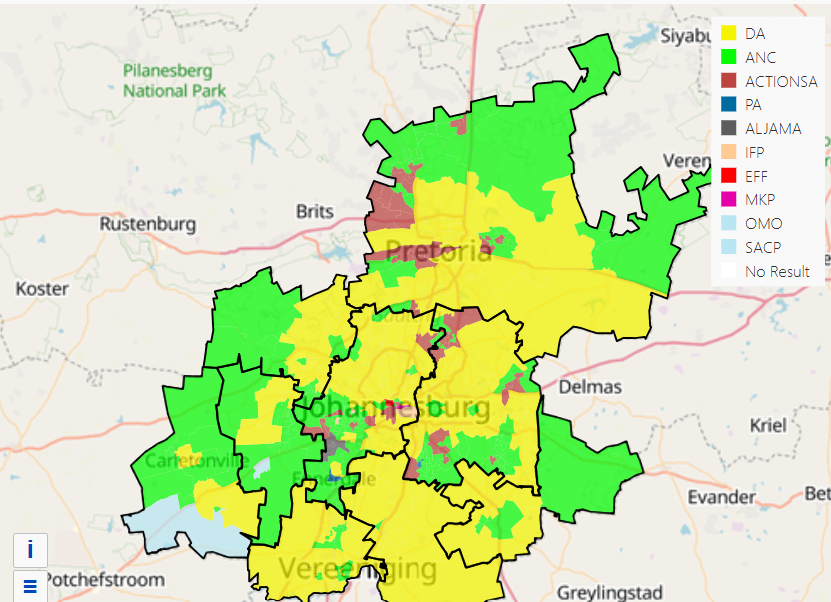
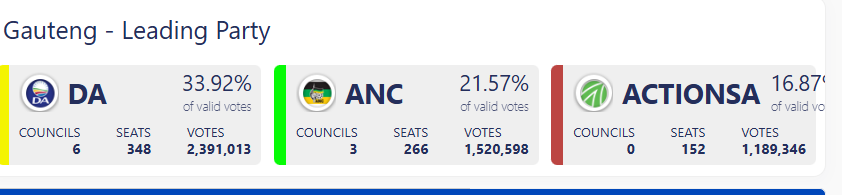
After a hectic week of elections, attention is now shifting to coalition negotiations, particularly in Gauteng, where no political party secured an outright majority.
The Democratic Alliance (DA), which is part of the Government of National Unity (GNU), is leading in the province with 33.92% of the vote, followed by the African National Congress (ANC) and ActionSA.
As negotiations get underway, civil society organisation NotInMyName is calling on political parties to remember that coalition discussions should prioritise the needs of South Africans rather than the personal and political interests of those seeking positions of power.
“We wish to remind you of a fundamental truth: ‘We the people’ demand an ethical, competent government. We demand a government that keeps us all safe and one that delivers services efficiently and equitably to all its people, regardless of race, class, or geographic location,” said the organisation’s president, Themba Masango.
Masango says politicians must recognise the responsibility that comes with the trust voters have placed in them and should not take it for granted.
“The trust placed in you must not be treated as a bargaining chip. Our communities need leadership that is honest, accountable, and focused on real delivery,” he said.
Meanwhile, My Vote Counts is calling on political parties entering coalition governments across the country to publicly disclose their coalition agreements.
The organisation argues that voters have a right to know how political parties intend to share power, govern municipalities and deliver on the commitments they make during negotiations.
Section 29 of the Municipal Structures Act provides that the first meeting of a newly elected municipal council must be convened within 14 days after the council has been declared elected.
This places pressure on political parties to reach agreements and establish functioning municipal administrations within the prescribed timeframe.
The challenge now is whether political parties can put their differences aside and negotiate arrangements that serve the communities they have been elected to represent.
It is also important to note that securing the highest percentage of votes in a municipality does not automatically guarantee a party the opportunity to govern it. Coalition negotiations and the support secured during council proceedings will play a decisive role in determining who leads municipalities.
READ NEXT: