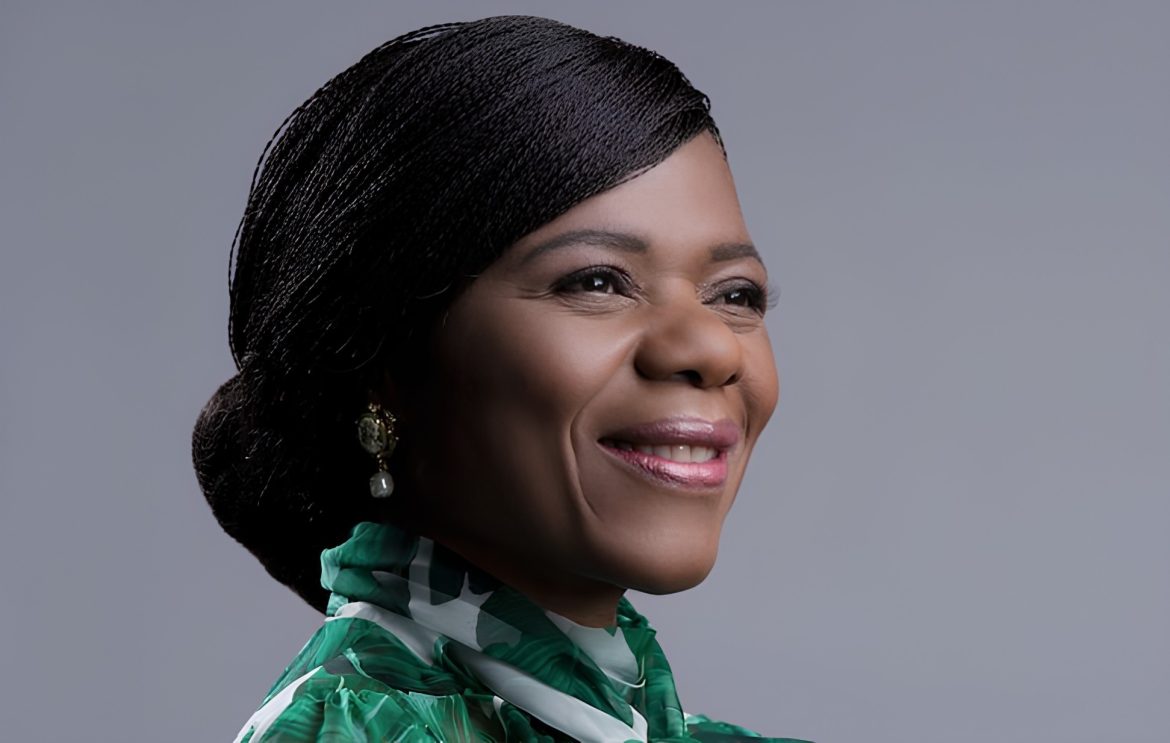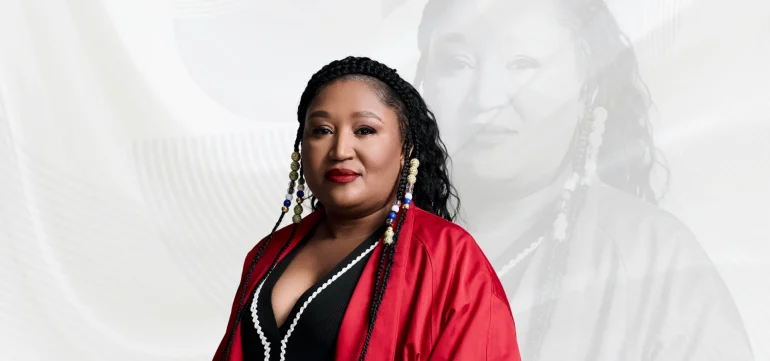

As the Miss South Africa 2026 finale approaches, former Public Protector Advocate Thuli Madonsela reflects on ethical leadership, accountability and why women should use their voices and influence to create meaningful change.
By Mapaballo Borotho
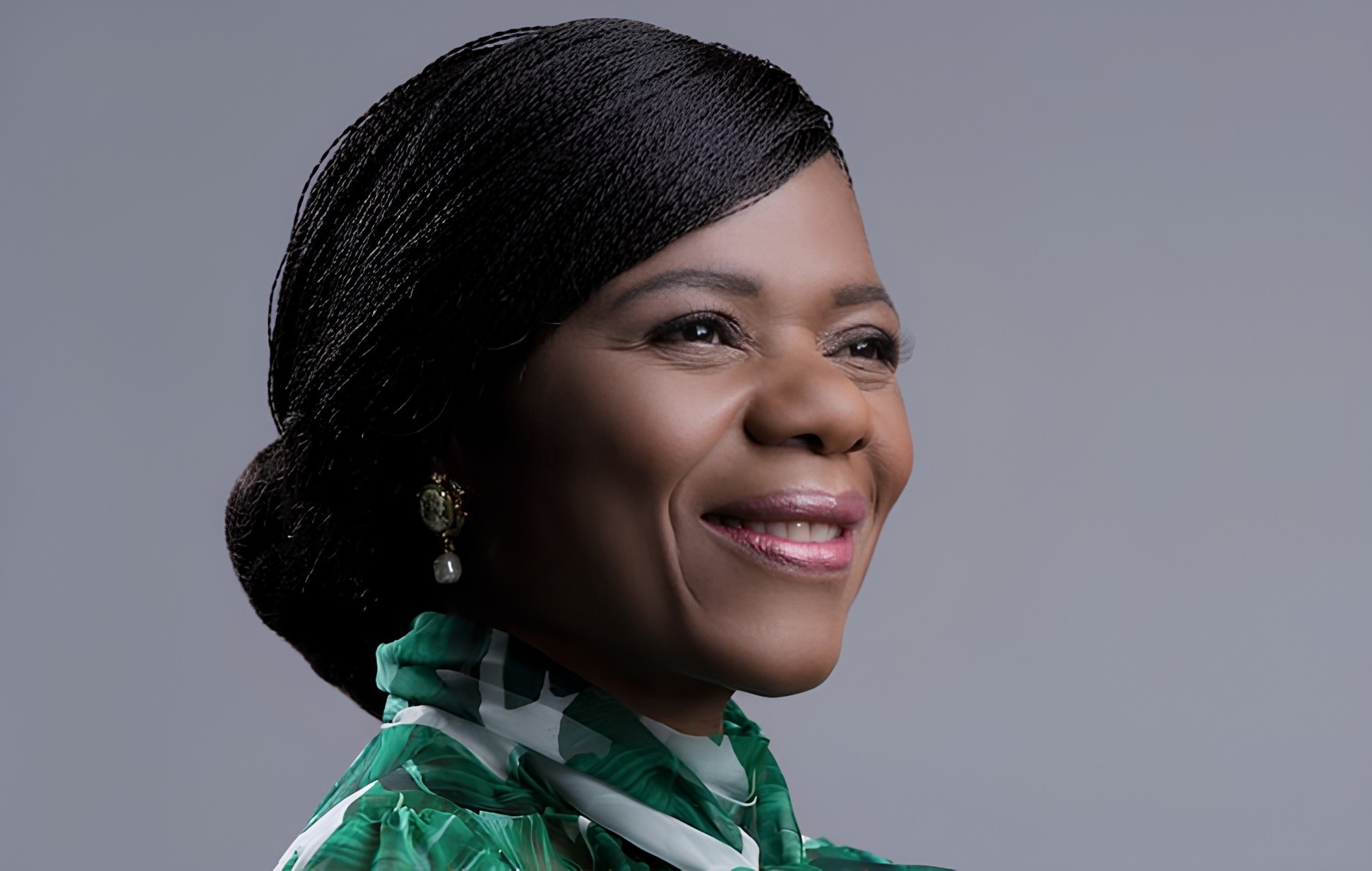
With the Miss South Africa pageant just days away, former Public Protector Advocate Thuli Madonsela has a message for the country’s next generation of women leaders: influence should be used to serve a greater good.
The Miss South Africa platform offers women an opportunity to represent the country, champion causes close to their hearts and contribute towards creating meaningful change in society.
Beyond the crown, the platform also gives contestants an opportunity to establish themselves as leaders in their respective fields, using their voices and influence to advocate for issues that matter.
For Madonsela, however, leadership begins long before one occupies a position of influence. It starts with the ability to lead oneself and remain accountable for one’s actions.
“On matters of leadership anchored in integrity and accountability, the starting point as a young person is to lead yourself and walk your own talk.
That is not easy at all, especially in times like these, when leaders at all levels are battling radical change and uncertainty in an increasingly polarised world,” said Madonsela.
What is EPIC leadership?
Madonsela also highlighted the importance of EPIC leadership, a framework she says was developed during challenging and rapidly changing times in her tenure as Public Protector.
The framework was subsequently refined through its application at the Thuma Foundation and in the training of Social Justice Ambassadors at Stellenbosch University.
EPIC leadership is built around four key principles:
1. Ethical leadership
This requires leaders to question whether their actions are right, who they benefit, what evidence informs their decisions and what outcomes they intend to achieve.
2. Purpose-aligned leadership
Leaders must consider whether their actions align with the purpose for which they have been entrusted with power, or whether they are using that influence to serve personal interests.
3. Impact-conscious leadership
This principle encourages leaders to anticipate and minimise unintended consequences, particularly those that could have lasting effects on communities, ecosystems, the environment and future generations.
4. Committed to serve
Leadership should be rooted in service rather than personal validation or narrow interests. It requires leaders to look beyond themselves and consider whether their decisions serve the broader public.
Leadership goes beyond having a title
We often hear that anyone has the ability to lead, but what does leadership really mean?
According to Madonsela, leadership is not necessarily defined by a position or title. It is also about the influence one has on others through their actions.
“The ultimate leadership question is: who are you leading, where to and who is following? This understands leadership as inspirational influence, which does not need a title and mostly relies on emulated actions,” she said.
Her message is particularly relevant to the Miss South Africa finalists, who are preparing to step onto one of the country’s most recognised pageant platforms.
The organisation has unveiled its Top 12 finalists, who will take centre stage at the Miss South Africa 2026 finale at the Sandton Convention Centre on 14 November.

The twelve women each bring their own stories, ambitions and visions for how they would serve the country if crowned the next Miss South Africa.
As they prepare for this next chapter, Madonsela’s reflections offer an important reminder that leadership is not simply about being seen, heard or celebrated.
It is about understanding the responsibility that comes with influence, knowing who you are serving and being intentional about the impact you want to leave behind.
READ NEXT: