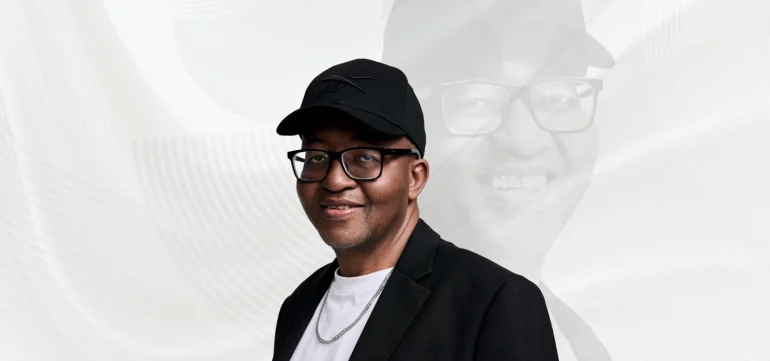

ActionSA surged to 22.63% of the vote in Tshwane’s 2026 local elections by replacing traditional campaign gimmicks with continuous, radical transparency that won over key township strongholds.
By Zuko Komisa
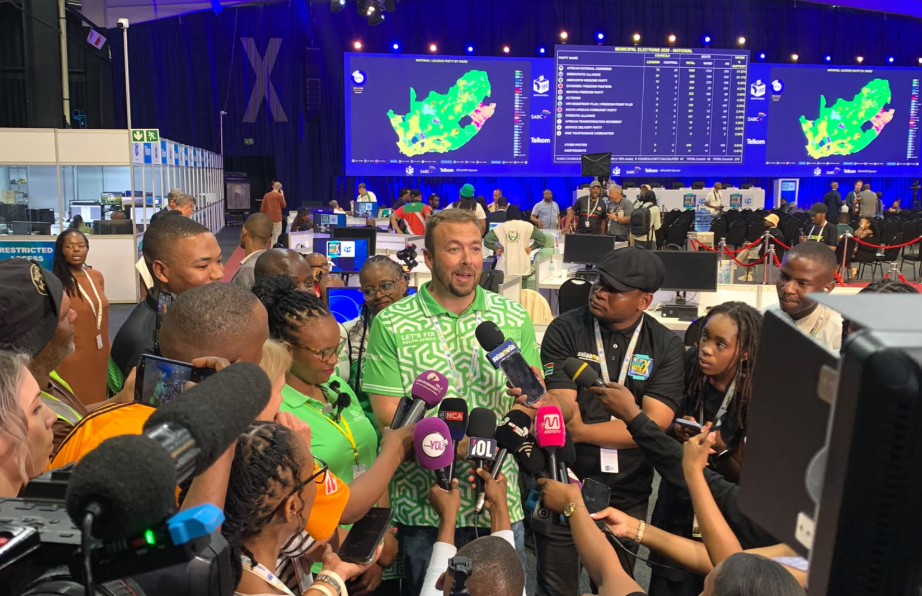
When the provisional results for the 2026 Local Government Elections flashed across the monitors at the National Results Operation Centre (ROC), the numbers told an unmistakable story.
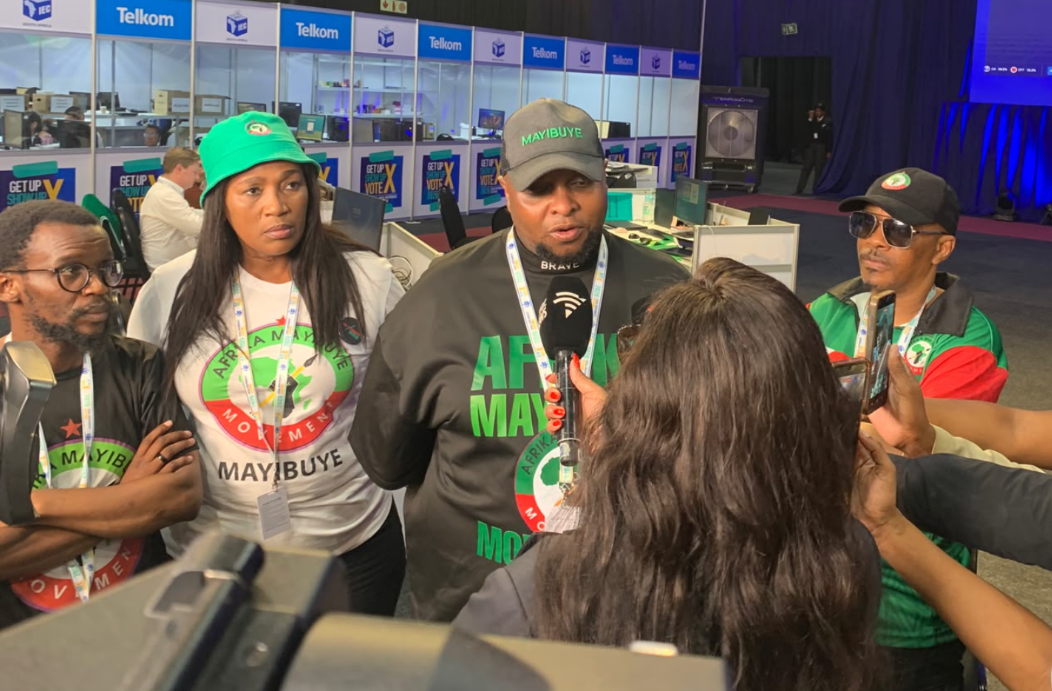
ActionSA secured 22.63% of the vote in the City of Tshwane, snatching over ten traditional strongholds including pivotal wards in Ga-Rankuwa and Atteridgeville previously held by the African National Congress (ANC).
In municipal politics, a surge of this scale rarely happens by accident. But while traditional campaign playbooks rely heavily on high-decibel rallies, glossy billboards, and grand coalition promises, ActionSA’s secret weapon in the capital turned out to be far simpler: hyper-local, continuous presence.
Speaking directly from the floor of the National ROC, incumbent Executive Mayor Dr. Nasiphi Moya delivered a striking reflection on how a party that failed to secure direct ward victories in previous municipal elections managed to reshape the political geography of Tshwane.
The power of real-time accountability
The central angle of ActionSA’s breakthrough isn’t just about winning territory; it’s about redefining how municipal leaders interact with the electorate. Mayor Moya made it clear that their electoral strategy discarded typical political theatrics in favor of direct civic engagement.
“It’s because of the level of engagement that I did with the City of Tshwane Residential University. If I’m meeting with someone, the people of Tshwane must know this is what I’m doing with the office that I have. And so that over time is consistent.” — Dr. Nasiphi Moya, Executive Mayor of Tshwane
Moya’s governance approach turned visibility into accountability. By maintaining an open line of communication across communities and institutions, the mayoral office created a feedback loop where residents felt heard and where mistakes were called out immediately.
“And to a point which was a very interesting engagement, when I do something and they don’t approve of it, I would know instantly because you would follow it on social media that they did save time.” — Dr. Nasiphi Moya
Rather than shielding her office from public scrutiny, Moya treated real-time social feedback and community dissent as essential tools of governance. That transparent relationship built a foundation of trust that converted into decisive ward victories when ballot boxes were opened across township communities.
As coalition talks and council seat allocations approach, Tshwane stands as a testing ground for a new brand of South African politics.
READ NEXT: