
Beyond his work with AKA, Tebello “Tibz” Motsoane helped redefine how Black creativity, business and popular culture intersected. His friend Tebogo Moalusi reflects on his influence and why South Africa needs to do more to document its own cultural history.
By Bulelwa Hoala
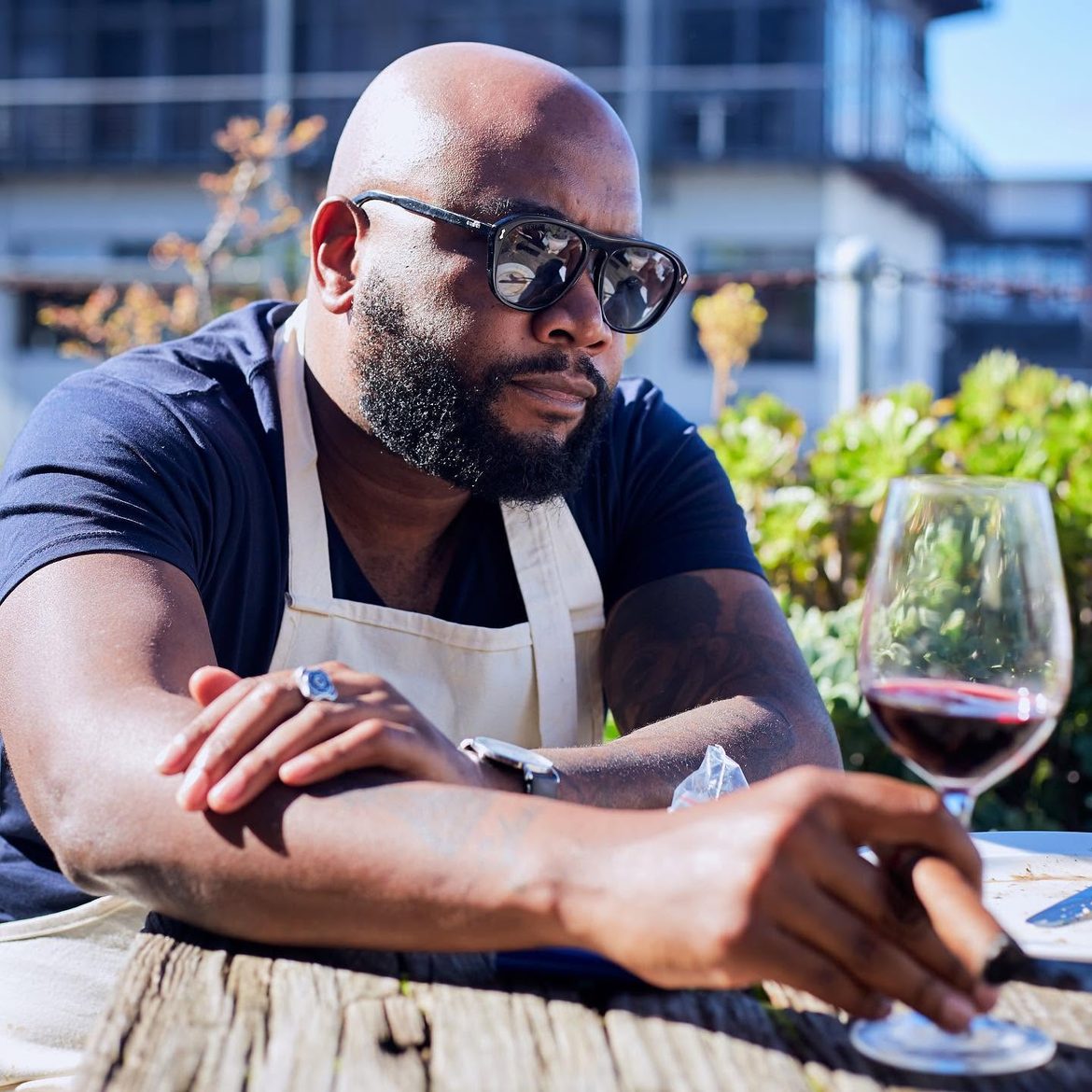
The ongoing court case relating to the deaths of Tebello “Tibz” Motsoane and Kiernan “AKA” Forbes has kept the tragedy of their untimely passing in the news headlines and in public conversation.
Tibz was known to many through his association with AKA. But to reduce his legacy to his relationship with the award-winning rapper would be to overlook the bigger contribution he made to Johannesburg’s creative and entertainment scene.
For Tebogo Moalusi, a friend who knew Tibz from their school days at Sacred Heart College in Observatory, Johannesburg, he was a cultural icon, a creative and a mentor whose influence extended beyond the events he hosted, the artists he worked with and the brands he helped build.
“I saw him as a cultural icon and as a creative,” Moalusi tells Kaya 959.
“What piqued my interest was watching him move through the streets of Johannesburg in South Africa, developing the concept of creativity through the Black lens, and the modern lens.”
Moalusi was particularly interested in the business behind the creativity. He describes Tibz as someone who possessed both the creative instinct to imagine something different and the discipline to build a business around it.
“He had, fortunately, the great balance of the creative spark, whether it was in fashion or in the kitchen or even in music. But he also had the discipline of building successful businesses around his craft.”
It was this combination that made Tibz’s contribution significant to Moalusi.
More than the public persona
Despite working in an industry that often rewards visibility, Tibz was not necessarily the loudest person in the room.
Moalusi describes him as an introvert who drew energy from solitude, using his private time to think, plan and refine his ideas before sharing them with the world.
“He was not one of those people who goes out and talks big about what’s going to be next. He would plot and plan, you know, he would strategise and put things in place, and only once he would act, you would then start to see the plan unfold.”
That discipline extended to his creative work. According to Moalusi, Tibz took the time to understand the industries he operated in, whether it was food, fashion, wine or music.
“He was a master of his craft because he learned about the craft, about every single thing.”
For Moalusi, this commitment to learning helps explain why Tibz could move between different creative spaces without losing his sense of direction.
“He was a very educated culture, as it were. Somebody who took his craft very seriously and wanted to be the best when it came to what he offers people.”
Away from work, he remembers a more relaxed side of his friend: someone who loved to laugh, valued his privacy and made an effort to maintain friendships that stretched back to their school years.
“He was extremely loyal, and tried to make time to honour and nurture those relationships,” Moalusi says.
He also remembers Tibz as a “champion for convening”, someone who brought people together through music, food, fashion, lifestyle and events.
How Tibz helped change the creative landscape
According to Moalusi, one of the most notable examples of Tibz’s influence, was the role he played in changing Johannesburg’s event and entertainment scene through Show Love.
Moalusi recalls that before that shift, the events landscape was limited in its scale and ambition. Show Love helped change the artists being booked, the venues being used and the brands willing to invest in the space.
“When Show Love came onto the scene, you could tell that things were changing from which artists got booked, to how full the events were, to which venues got used, to which sponsors started entering the space.”
He describes Tibz as a pioneer who helped move the events and culture industry beyond a more conventional approach towards experiences that brought together different elements of popular culture.
That thinking also shaped his work with brands. Rather than simply placing a product in front of an audience, Moalusi says Tibz understood the value of creating experiences that spoke to the people those brands wanted to reach.
“It wasn’t a simple thing of just you open the bar and you offer people, you know, drinks. It was, what are the creative touch points that a brand can do in a space to offer people a lot more than just the bottle in their hand?”
His influence also created opportunities for others. Musicians, photographers, chefs, visual artists, venue owners and other young creatives could find opportunities through the projects and partnerships he helped bring to life.
“He would take other people with him as he built his success,” Moalusi says.
It is this combination of cultural influence, business thinking and opportunity creation that informs his view of Tibz’s legacy.
The importance of telling our own stories
For Moalusi, one of the most pressing questions surrounding Tibz’s legacy is whether South Africa has adequately documented his contribution.
He believes the problem extends beyond Tibz as an individual.
“South Africans do a poor job at cataloguing its own heroes, its own stories and its own culture,” he says.
“We don’t tell our stories well enough, and we don’t capture the stories of our icons well enough.”
He points out the need for institutions dedicated to preserving the lives and contributions of people who have shaped the country’s cultural landscape. Without that work, he argues, important details about their influence risk being lost, leaving future generations with an incomplete understanding of their own history.
For Moalusi, this is not just about remembering people after they have died. It is about creating a track record that allows their work, ideas and achievements to be studied, understood and built upon.
His argument extends to the current and rapidly growing age of artificial intelligence.
AI systems draw on large collections of information, but what happens when African cultural experiences, histories and creative work are not adequately represented in the material available to them?
“If we don’t have culture libraries, stories, voices, music, fashion, made by people like Tibz, it means that the version of AI that we will always consume is absent of our own experiences.”
He warns that this could leave future generations relying on systems that do not sufficiently reflect the depth and diversity of African creativity.
“It’s unfortunate because we’ve got so many things that we’ve offered the world. It’s just that we haven’t done a great job at packaging them for ourselves and for the future.”
It is a stark reminder that preserving cultural history requires more than tributes and social media posts. It calls for intentional, deliberate efforts to document the people, ideas, businesses and movements that have shaped the country.
Grief, purpose and carrying the work forward
The loss of a friend is difficult to navigate and separate from the work and memories that remain. For Moalusi, grief has become something he has learnt to live with, especially as familiar seasons and moments remind him of Tibz.
He remembers their long lunches, conversations and the time they spent together. As summer approaches, those memories become more intense.
“Grief is something that you learn to live with. It comes in and out of your life,” he says. “Sometimes it gets, you enter a space or you hear a song or you find a moment, and you miss the person.”
One phrase Tibz often used has stayed with him: “Wake up and fight, my dawg.”
For Moalusi, those words are a reminder to live in the present and make the most of the future, rather than being stuck in the past.
He continues to champion the business of the arts, a commitment that keeps him connected to the work he and Tibz cared about. He sees that work as one way of honouring his friend’s contribution.
“We heal in the work, we heal in the moment of doing the things we love and the things that he loved and in honour of his name.”
When asked what justice would mean in relation to the criminal case following Tibz’s death, Moalusi says the criminal justice system must work, and that violent crime must be taken seriously. But he also acknowledges that justice on a human level is more difficult to define.
For those who knew Tibz, the loss remains personal. For the wider creative industry, his story also raises questions about how talent is nurtured, how opportunities are created and how cultural contributions are preserved.
A legacy that deserves to be documented
Moalusi believes Tibz’s creative expression is still worth revisiting. He encourages people to look through his Instagram archive, where he says his approach to fashion, photography, presentation and even the captions reflected a deliberate, carefully considered aesthetic.
“Look at the level of intentionality and curation that goes into how he built his brand,” he says. “It’s breathtaking.”
But his hope is that the conversation about Tibz will lead to more than remembrance.
For Moalusi, creatives have a responsibility to help shape how South Africans see themselves and imagine their future. Their work can preserve culture, challenge assumptions and offer new perspectives on the country.
“I keep saying that creativity is a superpower because I believe that in the time and age where technology is fighting for its fair chance to take over much of human connection, creativity and the human spirit will never be things that can be replicated and duplicated.”
He believes creative practitioners have a particular role to play in bringing people back to their shared humanity.
“We should do a lot more to tell better stories around the future, better stories about the present, and better stories about ourselves.”
For Moalusi, remembering Tibz means also means recognising the creative world he helped shape, the opportunities he helped create and the importance of preserving those stories while they can still be told.
And perhaps the most enduring question raised by Moalusi regarding Tibz’s legacy is: how does South Africa move from celebrating its cultural icons to properly documenting what they contributed, so that the next generation can learn from their work?
About Tebogo Moalusi
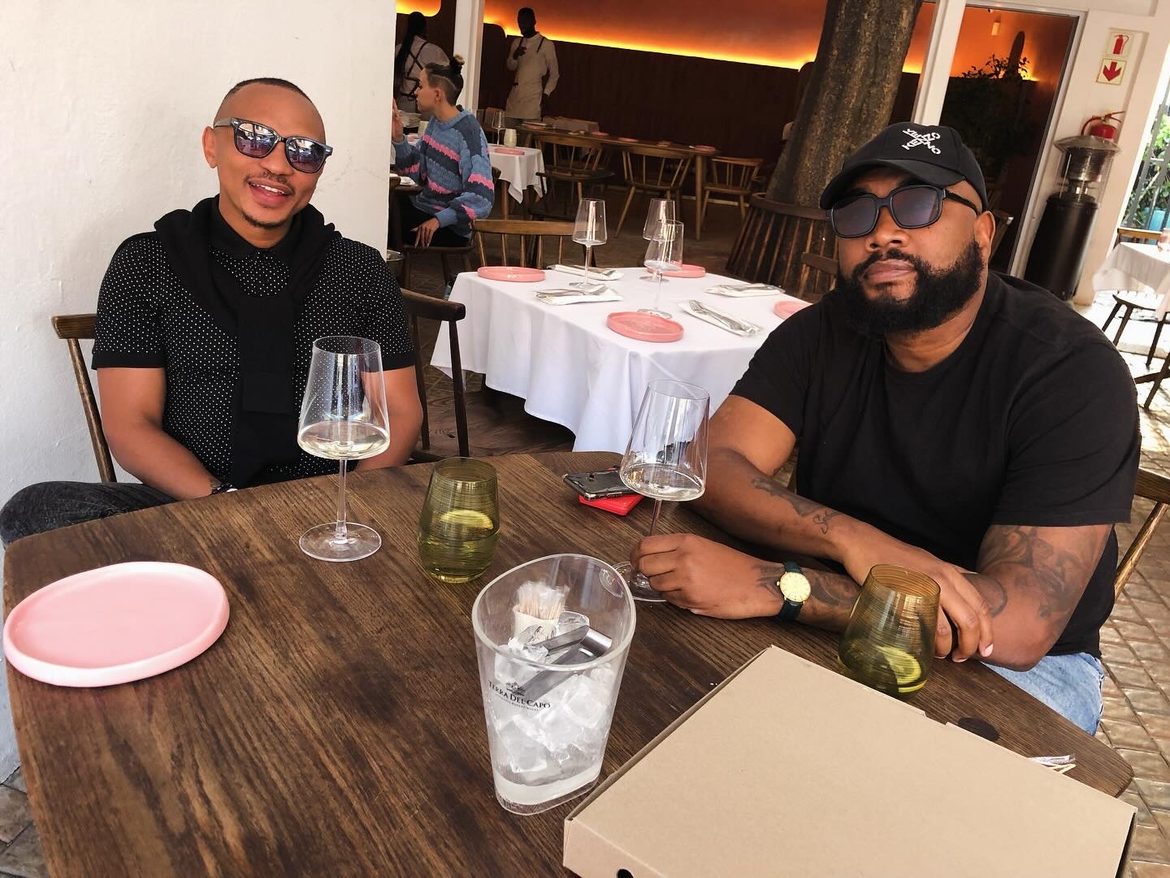
Tebogo Moalusi is a Johannesburg-based strategist, entrepreneur and civic leader whose work spans business, investment and the creative economy. He is the co-founder and convenor of Creative20, a platform focused on strengthening the business viability and global competitiveness of the creative and cultural industries, and a founding member of the Federation of African Creative Economies (FACE).
His career spans corporate leadership, entrepreneurship and social activism. He holds an MBA from the Gordon Institute of Business Science (GIBS) and a BCom in Economics and Law from the University of Cape Town (UCT).
READ NEXT: