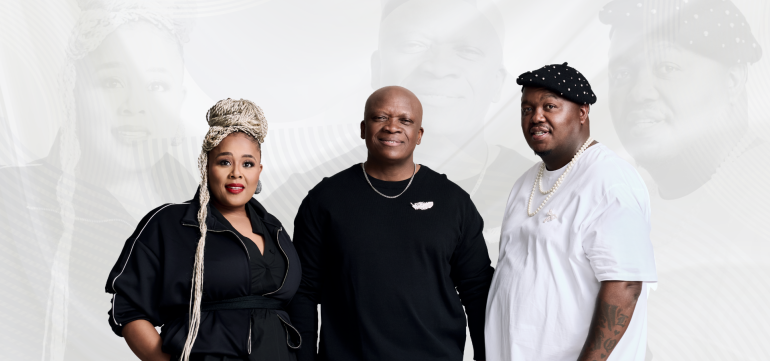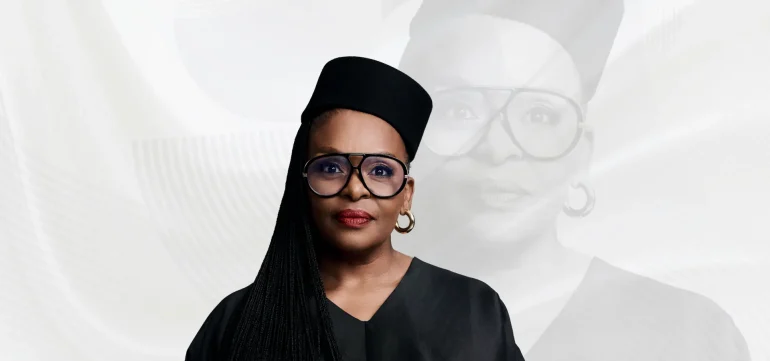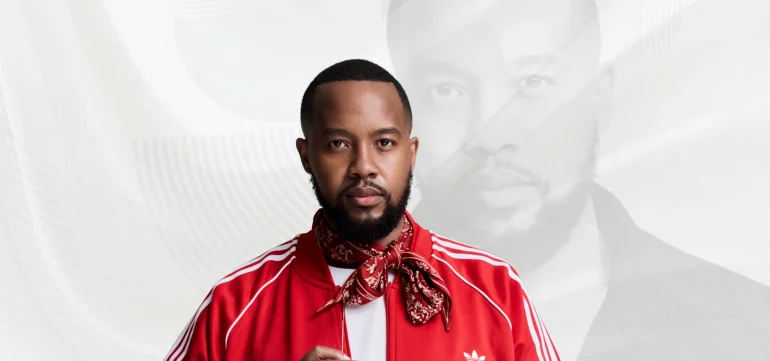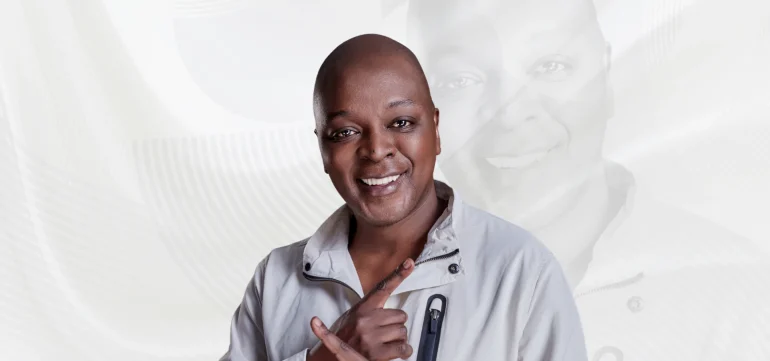
The South African singer explores Afro-house on her new project, released through Zakes Bantwini’s Mayonie Productions, while embracing a softer side of her artistry.
By Bulelwa Hoala
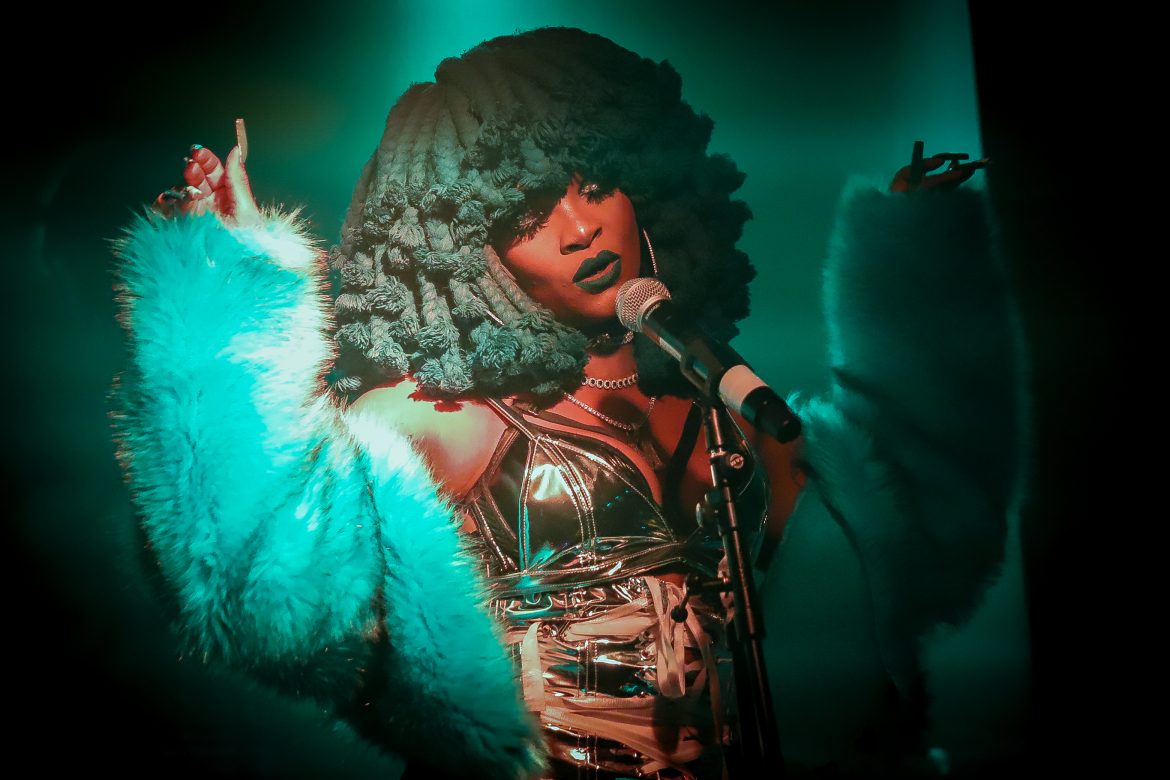
Award-winning South African singer, songwriter and performer Moonchild Sanelly is entering a new musical chapter with The Blueprint, an Afro-house project released through Zakes Bantwini’s Mayonie Productions.
Known for her distinctive sound, fearless self-expression and striking visual identity, Moonchild is exploring the sounds of the African dancefloor while retaining the individuality of her signature Future Ghetto Funk style.
The project’s first single, “Ngenzenjani”, featuring Zuri and Argento Dust, was released on 7 October 2026. A second single is scheduled for 21 October, ahead of the full album’s release on 4 November.
Speaking to Kaya 959, Moonchild opens up about returning to dance music, working across genres, the personal meaning behind “Ivili Liyajika” and what listeners can expect from her collaboration with the team behind The Blueprint.
Moonchild Sanelly on The Blueprint
What inspired The Blueprint, and when did you know you wanted to make an Afro-house project?
Moonchild: What inspired The Blueprint was basically that I’ve been touring the world so much. I just missed doing dance music. To be honest, I didn’t necessarily even know I was doing Afro-house. All I wanted to do was dance music, especially something that could also be exported, that I could perform alongside my pop stuff when I’m touring overseas.
I really just missed talking my sh*t in South African street. This is something I wanted to do last year and spoke to the team about last year. It finally got to happen this year.
What does the title The Blueprint mean to you?
Moonchild: The Blueprint to me means that basically I’m back. Those whose parents danced to my music and who now understand the lyrics and are singing and making the music trend on TikTok are grown enough to understand what the message was.
The bad b*tch of our generation is here, is back, basically, because there are a lot of things that I pushed with regards to the narrative of freedom, body positivity, and owning whoever you are, as you are.
I feel like, yeah, I’m back. The Blueprint, for me, means basically the original baddie of our time, real talk.
You’ve said South African audiences will hear a different side of you on this project. What can they expect?
Moonchild: I feel like I’ve done so much stuff, and I’ve definitely done a lot of genres even before my commercial success. But I think, for the South African audience, they haven’t heard me be emotional in the dance-liberated songs I’ve done.
They’ve heard the liberal Moonchild forever. There are ones where I just connect to reality. Outside of the fact that I’m still going to be a bad b*tch and I’m going to f*ck it up, whatever, the reality is I’m going to turn it around.
I feel like there are definitely new introductions with regard to my South African fan base because they’ve never heard me hum or sing like that. I’m super excited about just showing the different dynamics of the Moon.
How would you describe the sound of the project to someone who hasn’t heard it yet?
Moonchild: Oh my God, how I would describe the album is: I’m going to remind you of who you are. You are going to fetch your body. You are going to hug, dance, party, hug, dance, handle, because we run the world.
All my girls and all my queers are number one in my world. So let’s rock, and I’m just a reminder, call me a lot and alarm, won’t you?
We laugh, we cry, we party, we handle. And we do it again.
Creative freedom and finding her sound
What drew you to Afro-house at this point in your career?
Moonchild: What drew me to Afro-house is the fact that, firstly, I just wanted dance music, and that happened to be the title. I believe in storytelling. Storytelling is not limited by genre, at least my storytelling is not limited by genre.
Everything is an experiment because I approach music the way I hear it, and it’s not necessarily how everyone hears it. You’ll play a beat and then I’ll dance to a different tune, but it’s the beat. I’m hearing a different sound within whatever you want to call the sound.
For me, I’m just having fun again. The most exciting thing is how I approach what already has a name to it, like Afro-house, because usually I create genres. This time around, I wanted to celebrate our dance music and collaborate with everyone I respect in the dance spaces.
How did you make sure the Afro-house sound still felt like Moonchild Sanelly?
Moonchild: Honestly, I didn’t necessarily have to make sure anything. I think the one thing that preserves my creativity is not necessarily playing music to listen to how things are supposed to be approached.
That always gives me the angle of approaching it through a way that’s never been approached before. Not listening or playing music preserves my creativity. Therefore, in any song that you serve me, it will forever be Moonchild and how she hears music. That’s how I literally operate.
You’ve described your sound as Future Ghetto Funk. How does The Blueprint fit into that identity?
Moonchild: Future Ghetto Funk has not been limited at all over these years, and it’s not going to start today. Future Ghetto Funk is me. Perhaps it contributes to how I hear music, which is what I was saying, that I hear differently.
Future Ghetto Funk is me, and anywhere you hear me, you will be Future Ghetto Funked, whatever the genre I may be telling my story on.
I also believe I have different approaches when I make dance music and when I make my Future Ghetto Funk, which is also seen as grunge pop outside. It really is not about me changing for a genre. It’s me stamping my signature in every genre I’ve been to, in the best way possible.
African identity and creative freedom
What have you learned about yourself as an artist since you started making music?
What I’ve learned about myself as an artist since I started making music is I was motherf*cking right. I can make any genre of pop. I can write for every song and I can make the best hooks. I make the best hooks. I even call myself a hooker because I make the best motherf*cking hooks.
Something I’ve learned has just been proven over time because I knew it, and time just makes it better because it’s practice, and practice makes greatness.
Where does your need for creative freedom come from?
Moonchild: As an artist, you’ve got a licence to create worlds. If you don’t do that and you operate in fear and safety, you’re wasting the licence to create worlds, therefore change worlds.
I come from a liberal mom, and I was brought up as a liberal kid. Being free is something that was mentally instilled, and art was seen. Therefore, fear is not my friend, and it’s never been.
Let’s live, let’s achieve, because everything is possible. So definitely, my mama, my mama did this.
How important is African identity to the music you’re making now?
Moonchild: I feel like my African identity is in all the music that I make. Right now, I just wanted to dance to the music. It’s literally so simple for me because I love all the spaces I am celebrated in, and I appreciate the ability to touch people in all the different spaces I’m at.
My Africanness exists everywhere. It’s very important being known where you’re from. People understanding your roots helps them understand where you’re at and where you’re going, to understand your story. It just gives depth to an artist. So it’s very crucial. It’s very important.
My African exists in my pop. My African exists in my alternative. My African exists in my dance. My African is existing in my breathing.
I am African. And therefore, anything I touch will be felt because Africa had a hand in it.
What do you think African artists are doing differently on the global stage today?
Moonchild: They’re being themselves. They’re simply being themselves.
The songs and the dancefloor
If you had to choose one song to introduce someone to this new chapter of Moonchild, which would it be and why?
Moonchild: It would be “Ngenzenjani”, the one that’s literally dropping on the 7th of October, because it’s a reminder. I’ve never necessarily written from a point of judgment. I’ve always written from a point of playing the actual character.
I’ve also grown up with wives who’ve been cheated on and all that, just to be like, okay, so we’ll check this, and then what must I do now? What can happen? Do you know what I mean?
I feel like it’s a great introduction. Another reason is mainly because it’s not from a place of judgment. It’s more of a hug and connecting through this other scenario that everyone commonly goes through. I feel like that’s something that I do in my music a lot, whether it’s a subject matter that is liked or disliked.
What do you hope people feel when they hear The Blueprint on the dancefloor?
Moonchild: I can tell you right now: they will feel seen, they will feel unjudged, and they will feel free. They will shake their a** with me because a few times I’ve actually tested the song, darling. They’ve been shaking their a** on the dancefloor.
READ NEXT: