

Living with diabetes does not mean giving up your favourite foods or sweet treats completely, says registered dietitian Mbali Mapholi, who shares how to create balanced, nutritious and flavourful meals.
By Mapaballo Borotho

Diabetes has become a major health concern in South Africa, with experts warning that poor diets, sedentary lifestyles and an unhealthy food environment are contributing to the country’s growing health burden.
According to Statistics South Africa, diabetes mellitus was the leading underlying natural cause of death in the country in 2023.
When people hear the word diabetes, they often associate the condition with unhealthy eating. While diet is an important factor in managing and, in the case of type 2 diabetes, reducing the risk of developing the condition, diabetes is complex and can have several contributing factors.
Experts say healthy lifestyle habits, including nutritious eating and regular physical activity, can play an important role in managing the condition.
Is healthy eating really not tasty?
There are still people who associate a healthy, balanced diet with bland and boring food.
But that does not have to be the case.
Eating healthily does not mean that you have to sacrifice flavour, enjoyment or the experience of eating.
In fact, you can eat beautifully while living with diabetes.
Registered dietitian Mbali Mapholi says living with diabetes does not mean cutting out all luxury foods or sweet treats completely.
“It is entirely possible to continue enjoying your favourite meals by focusing on a varied diet (variety of foods), correct portion sizes, and carbohydrate quality. Rather than eliminating foods, the key is making mindful choices and pairing foods to ensure a sustained, gradual release of sugar into the bloodstream.”
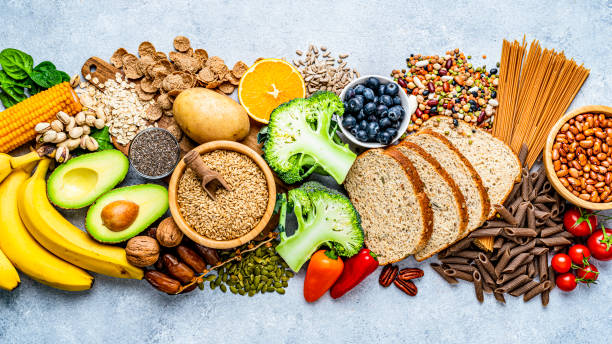
She says a balanced, diabetes-friendly plate should prioritise minimally refined complex carbohydrates, lean proteins, non-starchy vegetables and healthy fats.
“People should aim to include more low-GI whole grains – such as whole wheat bread and pasta, brown rice, oats, and pap, along with fibre-rich legumes, nuts, and non-starchy vegetables. Hydration is also essential, featuring plain water, naturally infused fruit/herb water, or unsweetened teas like rooibos, green, or black tea.”
For people living with diabetes, Mapholi recommends consulting a registered dietitian to develop a personalised meal plan based on their individual health needs.
How can you make your favourite meals healthier?
Eating for your health does not mean completely changing the foods you love.
Mapholi says people can make healthier versions of their favourite meals by swapping refined ingredients for whole, unrefined alternatives and choosing healthier preparation methods.
“For instance, choose wholegrains instead of white flour or white rice, and opt for baking, grilling, or roasting rather than deep-frying. You can also flavour water or iced teas with citrus, mint, or berries.”
Small changes can therefore make a difference without taking away from the enjoyment of a meal.

What are some common mistakes people make?
One common mistake is assuming that foods containing natural sugars are automatically harmless.
“Common mistakes include assuming natural sugars like honey or fruit juices are harmless, 100% fruit juices and excess natural sugars can still cause significant blood sugar spikes.”
Mapholi also warns against overconsuming saturated fats or high-calorie “health foods” without paying attention to portion sizes.
“Additionally, many people focus solely on sugar while ignoring fat intake and refined carbs, even though saturated fats can worsen insulin resistance and elevate heart disease risk.”
Five simple habits for people living with diabetes
If you are living with diabetes and want to improve your everyday eating habits, Mapholi recommends:
1. Choose better-quality carbohydrates
Choose complex, low-GI carbohydrates such as wholegrains, oats, brown rice and legumes over more refined options.
2. Rethink your drinks
Swap sugary soft drinks and concentrated fruit juices for plain water, naturally infused water or unsweetened tea.
3. Practise portion control
You do not necessarily have to completely eliminate sweet treats or rich meals. Instead, focus on moderation and appropriate portions.
4. Be mindful of saturated fats
Limit foods such as deep-fried meals, processed meats and high-fat sauces to support cardiovascular health.
5. Keep moving
Regular physical activity is an important part of a healthy lifestyle. Mapholi also recommends avoiding smoking and excessive alcohol consumption.
Healthy eating is not supposed to be boring. You can make it interesting, delicious and nutritious and your body will thank you for it.

READ NEXT: