
By Zuko Komisa
- Laboratory tests have confirmed the presence of pilchard herpesvirus (PHV) in sardine samples following recent mass mortalities along South Africa’s West Coast.
- Scientists believe PHV alone may not cause mass die-offs, suspecting additional stressors like harmful algae or unusual oceanographic conditions are involved.
- Fishing and canning operations will continue under normal safety controls, while an urgent inter-agency task team coordinates disease surveillance and response plans.
Laboratory sequencing has confirmed the presence of pilchard herpesvirus (PHV) genetic material in sardines sampled along South Africa’s West Coast, following recent mass mortality events.
The Department of Forestry, Fisheries and the Environment (DFFE) detected the virus in both dead fish and, at lower levels, in apparently healthy specimens, indicating that PHV alone may not be the sole cause of the die-offs.
Researchers are investigating whether environmental triggers such as low oxygen levels, oceanographic shifts, or harmful algal blooms may have exacerbated the outbreak.
While low levels of certain algal toxins were detected, initial screenings suggest they are unlikely to be the primary cause of death. DFFE has convened an urgent meeting with small pelagic fishing stakeholders to form a task team and expand disease surveillance across the West, South, and East coasts.
Reassuring the public and the industry regarding food safety and commercial operations, the Department of Forestry, Fisheries and the Environment stated:
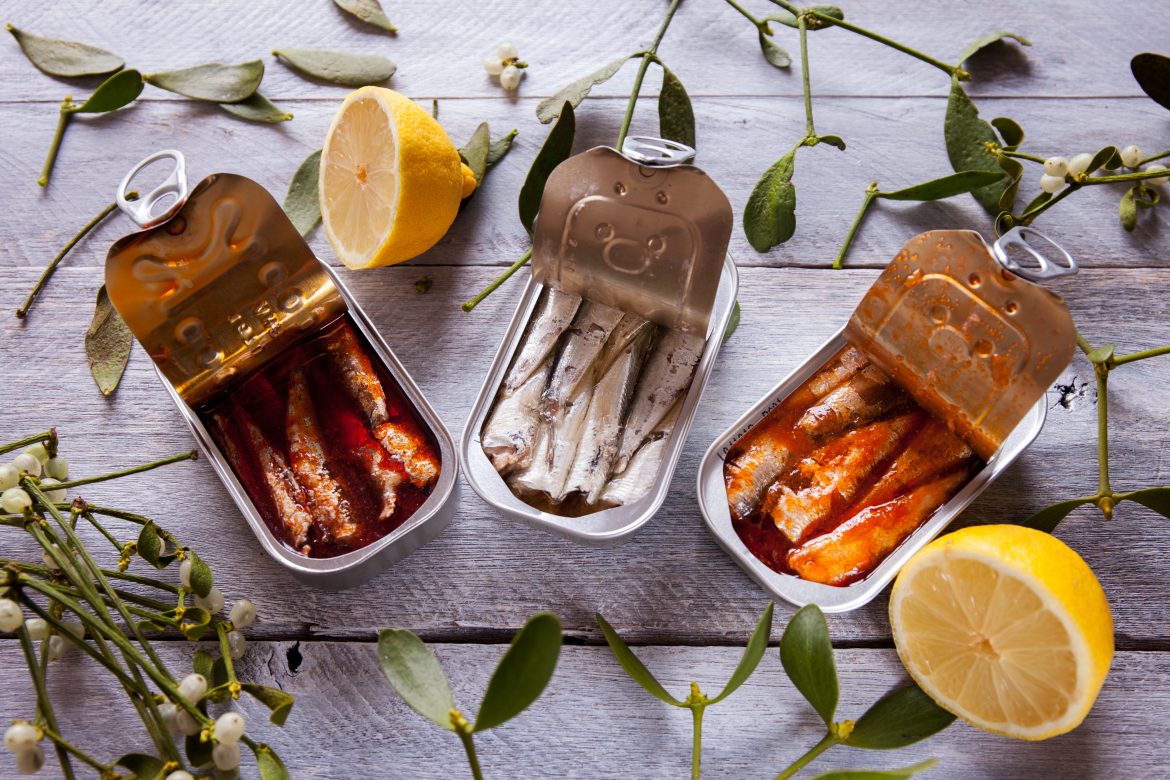
“The detection of PHV alone does not indicate that healthy sardines caught commercially or canned sardine products are unsafe. The finding does not currently justify a general suspension of fishing or canning.”
PHV poses no known risk to humans or other animal species, though the public is advised not to collect, consume, or feed dead or dying fish to pets. The department’s upcoming hydroacoustic survey in October and November will provide the first full assessment of the virus’s impact on South Africa’s overall sardine population.
READ NEXT: Hantavirus contacts face 42-day quarantine as health officials monitor outbreak




![[WATCH PODCAST] British-Nigerian artist, Ola Onabulé brings his jazz quartet to Johannesburg for the Standard Bank Joy of Jazz](https://www.kaya959.co.za/wp-content/uploads/2026/09/KAYA-959-THUMBNAILS-70-100x100.png)
![[WATCH PODCAST] Leading creative voice, Ndabo Zulu celebrated for breakthrough work with the ‘Umgidi Ensemble’](https://www.kaya959.co.za/wp-content/uploads/2026/09/NDABO-2-100x100.png)