

Zuko Komisa
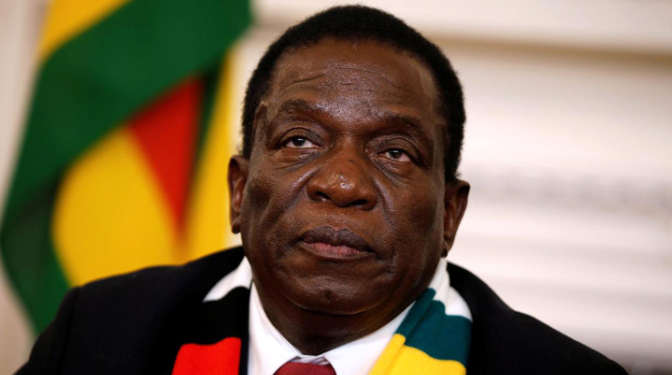
- President Mnangagwa has signed a constitutional amendment extending presidential terms from five to seven years and replacing direct popular elections with a parliamentary selection process.
- The legislation allows the 83-year-old president to extend his rule until 2030, bypassing the 2028 term limit established by the 2013 Constitution.
- Critics and opposition figures have condemned the reforms as a “constitutional coup” aimed at permanently consolidating power within the ruling ZANU-PF party.
Zimbabwean President Emmerson Mnangagwa has signed into law the Constitution of Zimbabwe Amendment (No. 3) Act.
The legislation extends both presidential and parliamentary terms from five to seven years and replaces direct popular elections for the head of state with selection by Parliament.
The changes allow the 83-year-old leader to remain in office until 2030, bypassing his previous final five-year term limit set for 2028 under the 2013 Constitution.
Critics have branded the move a “constitutional coup” that strips citizens of their democratic voting rights and consolidates power within the ruling ZANU-PF party.
The bill also expands the Senate and alters judicial appointments.
In a press release, the government defended the changes, stating the reforms are necessary to “ensure national stability and allow sufficient time to fully execute long-term development agendas.”
Mnangagwa, who took power in 2017 following Robert Mugabe’s removal, had previously promised to respect constitutional term limits.
READ NEXT: Treasury freezes funds for Johannesburg and three other Gauteng councils