Low payment levels and billions of rands in unpaid municipal debt are making it harder to keep electricity services financially sustainable
By Mapaballo Borotho

The rising cost of electricity continues to put pressure on household budgets, with many South Africans now spending thousands of rand each month just to keep the lights on.
At the same time, not everyone can afford to pay for electricity. This has led to a rise in illegal connections, which not only place additional strain on the electricity grid but also increase the financial burden on paying customers.
Johannesburg households are now paying even more after City Power’s new electricity tariffs came into effect this week.
The utility says the 8.63% tariff increase is intended to help fund critical infrastructure upgrades, improve service reliability and continue supporting vulnerable households through its Free Basic Electricity Programme.
The increase comes as City Power continues to face scrutiny over billions of rand in irregular expenditure flagged by the Auditor-General.
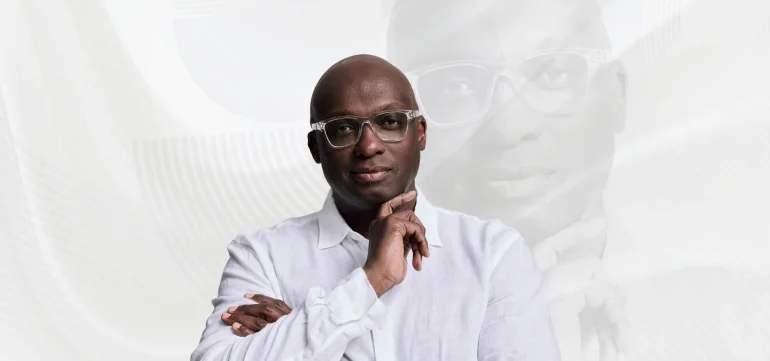
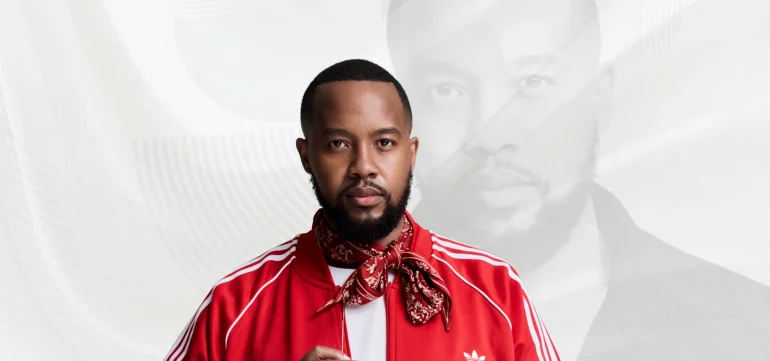
Speaking to Phemelo Motene on Kaya 959’s Point of View, Acting Group Head for Revenue Shared Services Centres, Lufuno Mashau, said the city’s financial challenges cannot be viewed in isolation.
“The challenges in terms of service delivery need to be approached in a more pragmatic way. As much as we see these tariff increases, they do not necessarily translate into actual cash being received by the city.
The cash is determined by the level of payment for the services rendered by the city. Customers are required to pay us at a level of 95% of what we bill, but in the previous financial year, Joburg customers only paid us at a level of 86%,” said Mashau.
Mashau said the city has experienced low payment levels for several years, resulting in reduced revenue each year.
According to him, this directly affects the municipality’s ability to provide services in a financially sustainable manner.
“Which is why we always tell our customers that boycotting payment for municipal services has a ripple effect of reducing the level and quality of services that the municipality is able to deliver. It is important that this becomes a partnership where we hold each other accountable, as the city and its customers,” he said.
Mashau revealed that the City of Johannesburg is owed approximately R75 billion in unpaid municipal debt – the highest amount owed to any municipality in South Africa.
He encouraged residents who are able to pay their municipal accounts to do so, while urging those experiencing financial hardship to make use of the city’s assistance programmes, including its debt relief programme.
Listen to the podcast for the full conversation…
READ NEXT: Clint Weston on speed, skill and the car that changed everything