

By Mapaballo Borotho
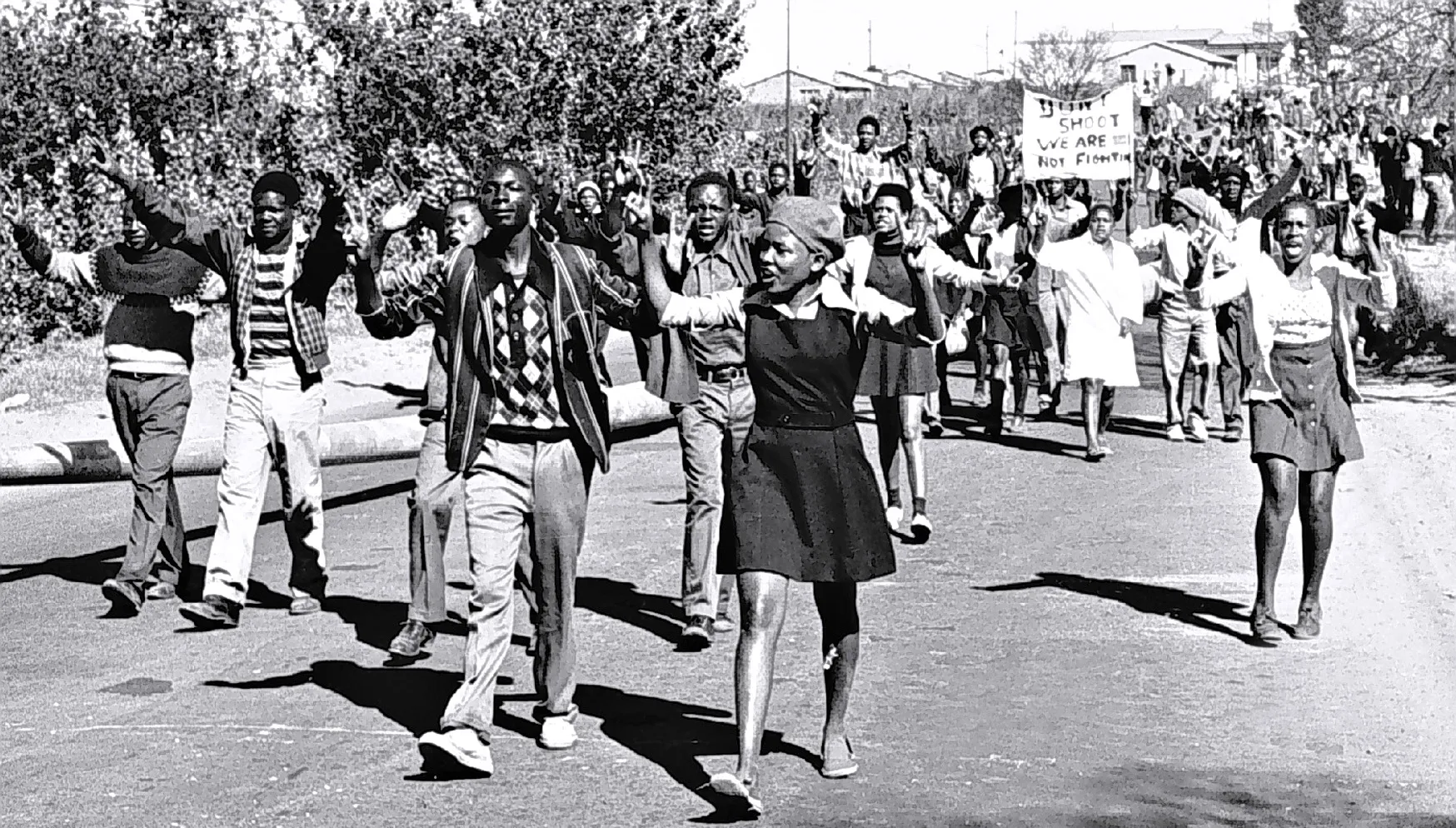
- Fifty years after the Soweto Uprising, South African youth continue to face significant social and economic challenges.
- Unemployment, student debt, crime and the rising cost of living remain some of the biggest obstacles confronting young people in 2026.
- As the country commemorates Youth Day, many young South Africans are still fighting for opportunities, equality and a better future.
South African youth has always been known for ensuring that their voices are heard and for fighting for their country and the rights of young people.
The spirit of resistance among young South Africans did not begin only in 1976 during the Soweto Uprising; it has always been there.
Even today, South African youth continue to fight for better living conditions, not only for themselves but also for future generations.
On 16 June 1976, thousands of Black school students in Soweto took part in a peaceful protest against the apartheid government’s decision to enforce Afrikaans as a medium of instruction in schools.
The students believed the policy would worsen the quality of their education and symbolised the broader oppression they faced under apartheid.
Today, 50 years later, young people are still fighting for a better life, battling inequality, poverty, educational barriers, and the high unemployment rate that has hit the country.
What are some of the biggest challenges facing South African youth today?
1. Unemployment
Data released by Statistics South Africa in May 2026 paints a sobering picture of the country’s economic health. The rise in the unemployment rate to 32.7% suggests that structural issues within the economy, ranging from energy constraints to logistical bottlenecks, continue to outpace job creation efforts.
While the headline figure is alarming, the underlying data reveals a disproportionate impact on young people and those living in urban industrial hubs.
2. Student debt
Many young South Africans are unable to continue with their higher education due to accumulating student debt.
NSFAS was introduced to help students who are genuinely in need of financial assistance and qualify for funding. However, the scheme has been marred by allegations of corruption and administrative failures, with many underprivileged students bearing the brunt of these challenges.
3. Crime
Although crime in South Africa decreased by 4.6% nationally during the fourth quarter of the 2025/2026 financial year, covering the period from January to March 2026, crime remains one of the factors affecting the daily lives of many young people.
From violent crime and gender-based violence to gang activity and drug abuse, crime continues to impact the safety, opportunities and wellbeing of young South Africans.
4. The cost of living
The rising cost of living continues to place immense pressure on young people across the country.
Many young South Africans are struggling to afford basic necessities such as food, transport, accommodation and electricity, while others are finding it increasingly difficult to secure independent housing or support their families.
With wages failing to keep pace with inflation and unemployment remaining high, many young people are forced to delay major life milestones such as pursuing further studies, buying property or starting families.
Today, 16 June is commemorated as Youth Day in South Africa, honouring the courage and sacrifice of the young people who stood up for their right to quality education and freedom.
The day celebrates those who came before us and recognises those who continue to fight for change in the country today.
READ NEXT: Youth urged to prioritise road safety over Youth Day long weekend