Zuko Komisa
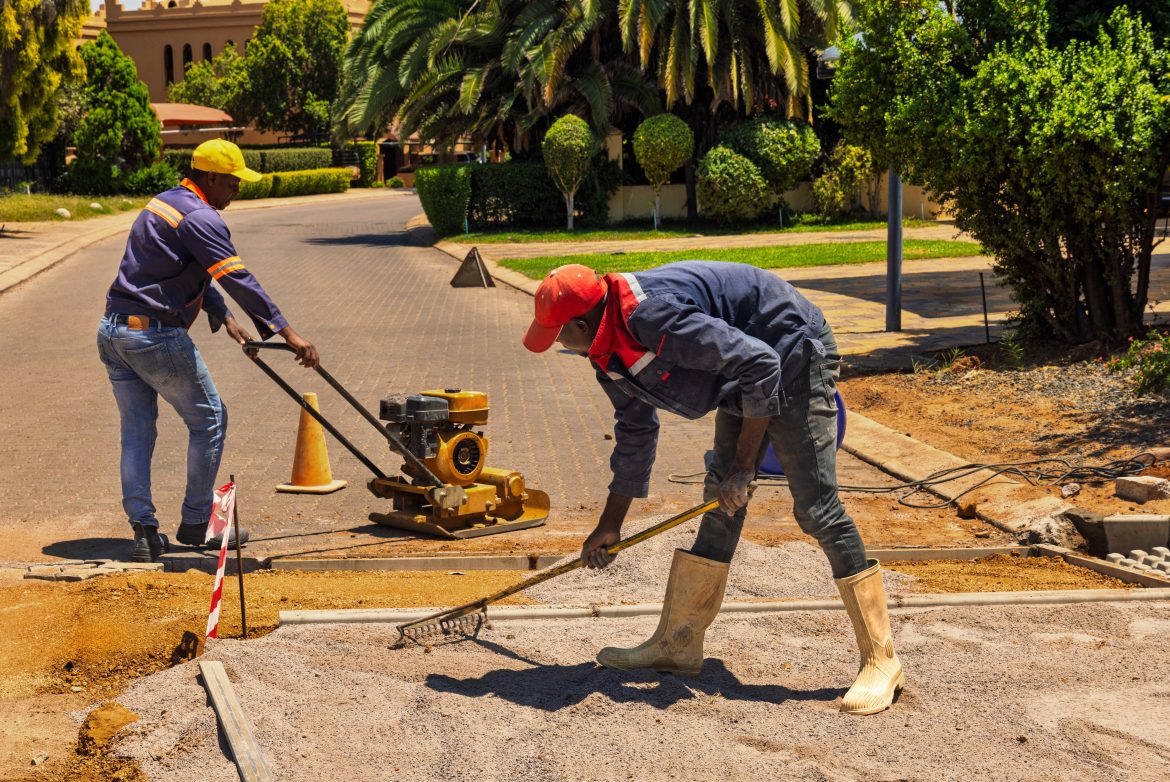
- The National Minimum Wage increases from R28.79 to R30.23 per hour starting 1 March 2026.
- This R1.44 adjustment applies to all sectors, including domestic and farm workers, though EPWP rates differ.
- The new rate is legally binding and cannot be bypassed by contracts or changes to working hours.
From 1 March 2026, the statutory National Minimum Wage (NMW) in South Africa will climb to R30.23 per hour.
For the domestic workers keeping homes running and the farm labourers harvesting the nation’s produce, this R1.44 hourly increase represents a non-negotiable right to fairer pay.
The NMW acts as a legal “floor” a baseline of dignity that no employer can undercut, regardless of what a private contract might say. It is designed to protect the most vulnerable from exploitation, ensuring that the cost of living doesn’t leave the hardest workers behind.
While the general rate is the headline, the reality for some looks a bit different.
Those in the Expanded Public Works Programme (EPWP) will see their special rate rise to R16.62 per hour. Meanwhile, those on formal learnerships will find their specific allowances updated on the department’s website.
Since its inception in 2019, the NMW has become a pillar of the South African labour market.
Except for volunteers and members of the security services (like the SANDF), the law covers everyone.
By refreshing these figures annually, the government aims to keep pace with the economy, ensuring that as prices rise, the smallest paycheques grow along with them.
READ NEXT: SIU recovers R1.7 Billion in NSFAS loans as 20,000 cases remain under scrutiny




![[WATCH PODCAST] Kabelo Mabalane teams up with The Arrows for infectious comeback track ahead of 10th studio album](https://www.kaya959.co.za/wp-content/uploads/2026/10/KAYA-959-THUMBNAILS-100x100.png)