
Mapaballo Borotho
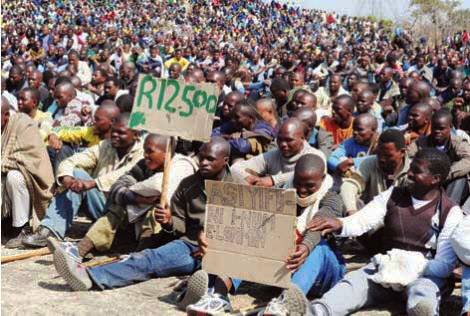
- Thirteen years after the Marikana massacre, residents say their living conditions have worsened despite government promises.
- They face sewage leaks, high unemployment, crime, and rising gender-based violence.
- Many believe Marikana has been forgotten, with pledges for change still unfulfilled.
Saturday marks 13 years since the Marikana massacre, a dark chapter that left widows without husbands, children without fathers, and families without their breadwinners.
Thirteen years on, the pain lingers, and the promises remain unfulfilled.
For many in Marikana, life has not improved; it has worsened.
Residents say their living conditions have deteriorated since that blood-soaked day in 2012. Despite countless pledges from leaders, change has never arrived.
On 16 August 2012, 34 mineworkers from the Lonmin Platinum Mine , now Sibanye-Stillwater, were gunned down by police during a protest for fair wages and better working conditions.
It was one of the most tragic moments in post-apartheid South Africa, rivaled only by the July 2021 unrest.
A week after the killings, then-President Jacob Zuma appointed the Farlam Commission of Inquiry, led by retired judge Ian Farlam, to investigate.
But for the people of Marikana, trust in the Commission, in Sibanye-Stillwater, and in government has long since faded.
They speak of sewage spilling into their yards, of rampant unemployment, and of a community battered by rising crime and gender-based violence.
The promises that were meant to heal have instead sown division.
Residents told Kaya News that Marikana has been forgotten, a wound left open, with plans to address their social and economic needs still gathering dust while they continue to live in hardship and neglect.
READ NEXT: SASSA grant beneficiaries warned of fake insurance deductions