

Zuko Komisa
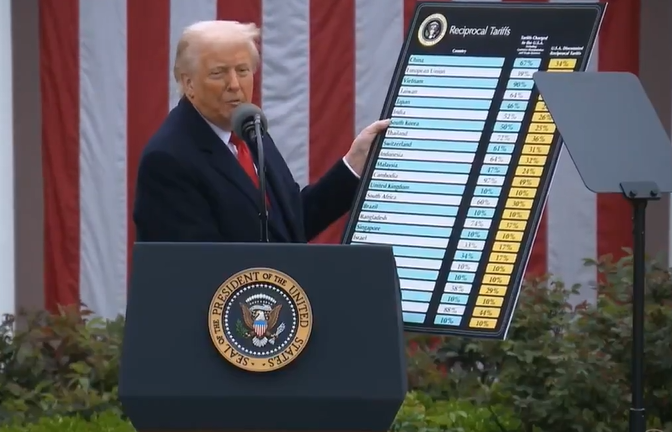
A significant escalation in global trade tensions has occurred, with China announcing a 34% tariff on all U.S. goods in retaliation for the U.S.’s recent tariff increases. This development has sent shockwaves through international markets, and South Africa is bracing for potential economic fallout.
The Chinese Commerce Ministry’s announcement, which takes effect on April 10, marks a sharp response to what it deems “unilateral bullying” by the U.S. administration.
In addition to the U.S. tariffs, tariffs have also been placed on South African goods. This action, and China’s resulting counteraction, is causing major disruption to global trade.
The unfolding trade war between the U.S. and China, and the added tarrifs on South Africa, presents significant challenges for the global economy. South Africa must navigate these turbulent times with caution and strategic foresight to protect its economic interests.
Economists are expressing concern about the potential for a prolonged trade war, with warnings that it could have severe consequences for the global economy. A leading economist from the University of Johannesburg said:
“South Africa needs to carefully monitor these developments and diversify its trade relationships to mitigate the risks.”
The South African government has stated that it is closely monitoring the situation and is working with its international partners to minimise the impact on the country’s economy.
Johann Kotzé, AgriSA CEO spoke to Kaya Biz and identified which South African agricultural products might be subject to higher tariffs or facing trade barriers due to the U.S’s tariff policies.
Listen to the full conversation here:
READ NEXT: One SA citizen confirmed dead in Myanmar earthquake
![[WATCH PODCAST] Kabelo Mabalane teams up with The Arrows for infectious comeback track ahead of 10th studio album](https://www.kaya959.co.za/wp-content/uploads/2026/10/KAYA-959-THUMBNAILS-1170x658.png)

![[WATCH PODCAST] Kabelo Mabalane teams up with The Arrows for infectious comeback track ahead of 10th studio album](https://www.kaya959.co.za/wp-content/uploads/2026/10/KAYA-959-THUMBNAILS-100x100.png)