By: Natasha Archary
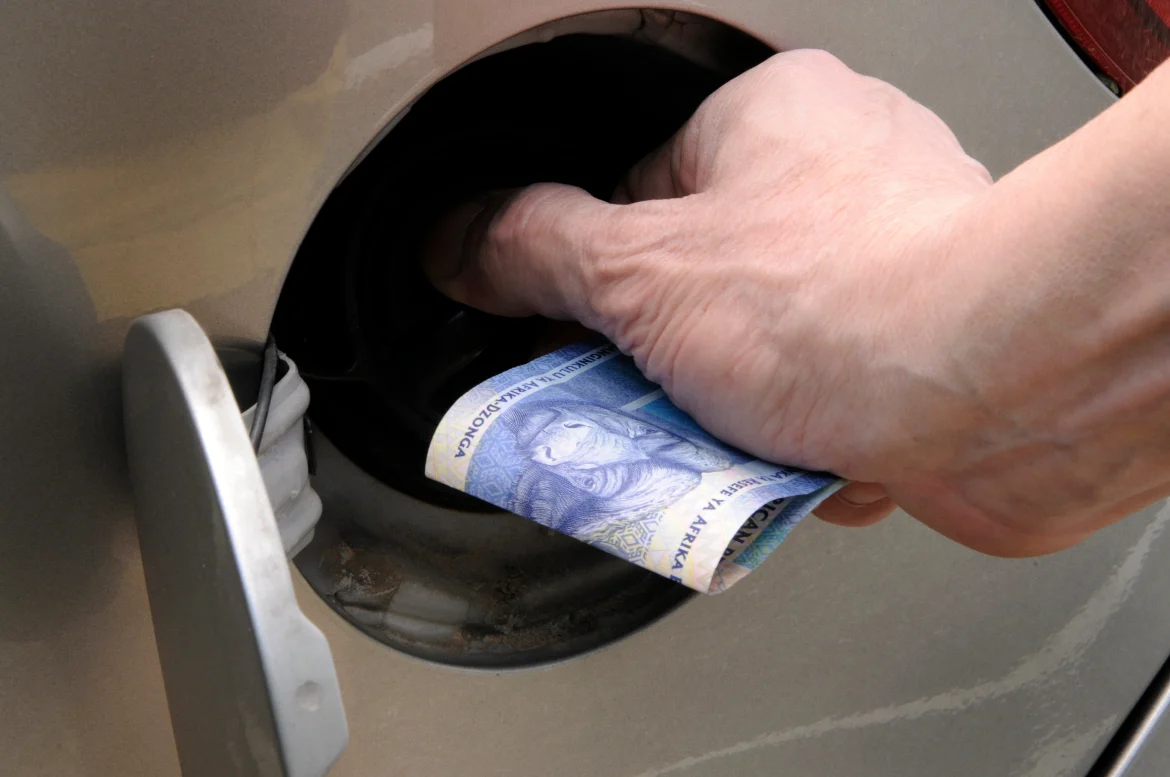
With 3 consecutive months of the petrol price dropping, Ayanda Nyathi speaks to Isaac Mashego and Economist at Nedbank, to help make sense of what this good news means for motorists.
The petrol price is regulated by several factors and global developments have led to a softer oil market.
A few of the contributing factors for the price of petrol dropping include:
- Increased Oil Production:
- Key oil-producing countries, particularly those in the Organization of the Petroleum Exporting Countries (OPEC) and its allies (OPEC+), have increased their oil production. This increase in supply, combined with more stable production levels from major producers like the United States, has helped to balance the market and reduce prices.
- Global Economic Concerns:
- Concerns about a potential global economic slowdown have also contributed to the drop in oil prices. Slower economic growth reduces demand for oil, as industrial activity and transportation needs decrease. The anticipation of weaker demand has put downward pressure on crude oil prices, which in turn affects the cost of petrol.
- Geopolitical Stability:
- Compared to previous years, there has been relative stability in key oil-producing regions, such as the Middle East. Fewer disruptions to oil supply chains, whether from conflicts or sanctions, have allowed for a steadier flow of oil, contributing to the lowering of prices.
- Exchange rate between Rand and Dollar: Another significant factor influencing petrol prices in South Africa is the exchange rate between the South African rand and the US dollar. Since oil is traded globally in US dollars, the strength or weakness of the rand against the dollar plays a crucial role in determining the local price of petrol.
Listen to the conversation on Drive 959:
Also read: Breaking down the drop in CPI
![[WATCH PODCAST] Kabelo Mabalane teams up with The Arrows for infectious comeback track ahead of 10th studio album](https://www.kaya959.co.za/wp-content/uploads/2026/10/KAYA-959-THUMBNAILS-1170x658.png)

![[WATCH PODCAST] Kabelo Mabalane teams up with The Arrows for infectious comeback track ahead of 10th studio album](https://www.kaya959.co.za/wp-content/uploads/2026/10/KAYA-959-THUMBNAILS-100x100.png)