
By Motlagae Konyana
It is impossible to have a relationship in which there is never a need for an apology. Being in relationships with others means risking the possibility that we will be hurt or disappointed and hurt and disappoint others. Are you expecting an apology from someone?
Forgiveness does not mean that the person who hurt you is no longer accountable for what they did. It also doesn’t require that you forget the situation ever happened. You don’t have to tell that person that you forgive them.

Talk with Sotho presenter Mabasotho Meyer speaks about forgiveness and what waiting on an apology from someone would look like.
“I am waiting for an apology from a lady who once hurt me, and this caused me to break my partner’s heart. I am also seeking forgiveness, says Lebohang
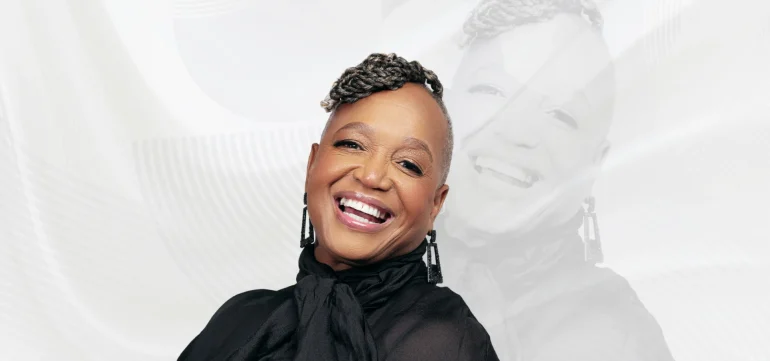
What needs to be healed in you that makes you accept certain behaviour from other partners? Being willing to take these causes so much pain for you, says Life Coach, Anita Paropoulos. Waiting for an apology from someone can be attributed to your values. The person you are waiting for an apology from does not value what you do.
READ: WeTnesday: What after-sex habits do you or your partner have?
The anatomy of an apology requires more than just saying ‘I am Sorry’. An apology needs to express remorse. A genuine apology involves pain, suffering and soul-searching regret. It may represent your concern that you have harmed your relationship and that you value the relationship.
An apology template when you cheated on your partner and ended up being in hospital affected their self-esteem.
Step 1: Say you are sorry: I am sorry that I cheated on you, and it caused you to doubt yourself.
Step 2: Be clear about what you understand the impact: I know that the cheating really hurt you and that you had to stay home from work.
Step 3: Empathize: If I was in your shoes, I would be really upset about that. I would probably feel super disappointed and sad. And when you told me it made you not trust me anymore, it made so much sense you would; feel that way.
Step 4: Ask for forgiveness: I really want to continue our friendship. I realize that you might not be ready to do this right now, but I hope you can forgive me at some point.
Step 5: Rebuild trust: What can I do to help you rebuild that trust? How can I make this right? Remember, the apology is for them and not for you. The other person is allowed to respond in many ways. They might choose not to forgive you, or they might decide to forgive very quickly. They get to choose, though.
Do
1. Put yourself in the role of the victim, and say what you would want to hear.
2. Address the victim, admit guilt, and ask for forgiveness.
3. Offer restitution or correction, if possible.
4. Apologize for your actions or words and not because you were misunderstood.
Forgiveness, instead, is sitting down and accepting what happened and that it’s done. It’s an acknowledgement of the past and how it’s affected you and your growth. This involves a willingness to let go of the anger and bitterness and allowing yourself to be happy.
Most of the time, the pain we cause is not intentional.




![[WATCH PODCAST] Mr. Mercedes drops highly anticipated project, joining forces with Thabo Smol and Spice Drums](https://www.kaya959.co.za/wp-content/uploads/2026/10/KAYA-959-THUMBNAILS-79-100x100.png)
![[WATCH PODCAST] Tumisho Masha commands the screen as colonel Jack Phatudi in M-Net’s new must-watch series](https://www.kaya959.co.za/wp-content/uploads/2026/10/KAYA-959-THUMBNAILS-78-100x100.png)