
Zuko Komisa
Survivor of the Rwandan genocide 30 years ago shares his story of triumph.
Thirty years have passed since the genocide in Rwanda. Known colloquially as the genocide against the Tutsi, it took place during the Rwandan Civil War from April 7, 1994, to July 15, 1994. Armed Hutu militias massacred members of the Tutsi minority ethnic group, as well as some Twa and moderate Hutus, over about 100 days.
Point of View with Phemelo Motene spoke Advocate Kennedy Gihana whose story of triumph tells of how he survived one of the darkest eras of the continent’s history.
Listen to the full conversation here:
Listen to the full conversation here:
Advocate Kennedy Gihana departed on foot in January 1998, his matriculation certificate bound in plastic and fastened to his body with banana rope.
During his remarkable six-month adventure, he covered 6000km on foot, passing through Tanzania, Kenya, Malawi, and Zimbabwe on his way to South Africa.
He lived on the streets and slept in parks. He found work as a security guard. After some time, he had saved enough money to start studying for a law degree at the University of Pretoria where he would later graduate in 2011 with a master’s degree in international law.
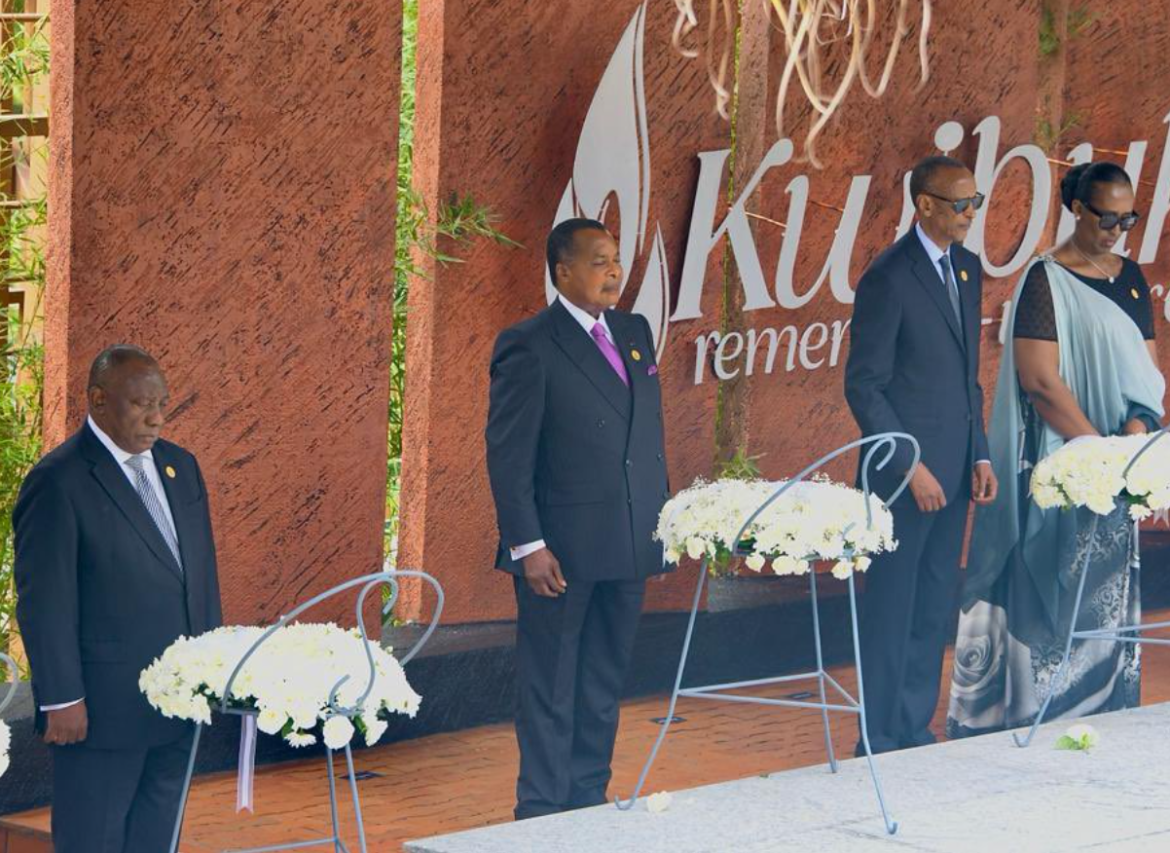
Over the weekend, President Cyril Ramaphosa concluded his business visit to Kigali, Rwanda.
As part of the commemorations of the 1994 Rwandan genocide, which claimed the lives of almost a million women, men, and children in the Central African nation, the President along with former President Thabo Mbeki paid a visit to the nation.
📸 Former President Thabo Mbeki in Kigali, Rwanda for the 30th commemoration of the 1994 Genocide against the Tutsi. #Kwibuka30 pic.twitter.com/Ht9I5YaVaG
— The Presidency 🇿🇦 (@PresidencyZA) April 7, 2024
READ NEXT: “My family looks down on my girlfriend because of her poor background:” The Blind Spot