

Katlego Sekhu
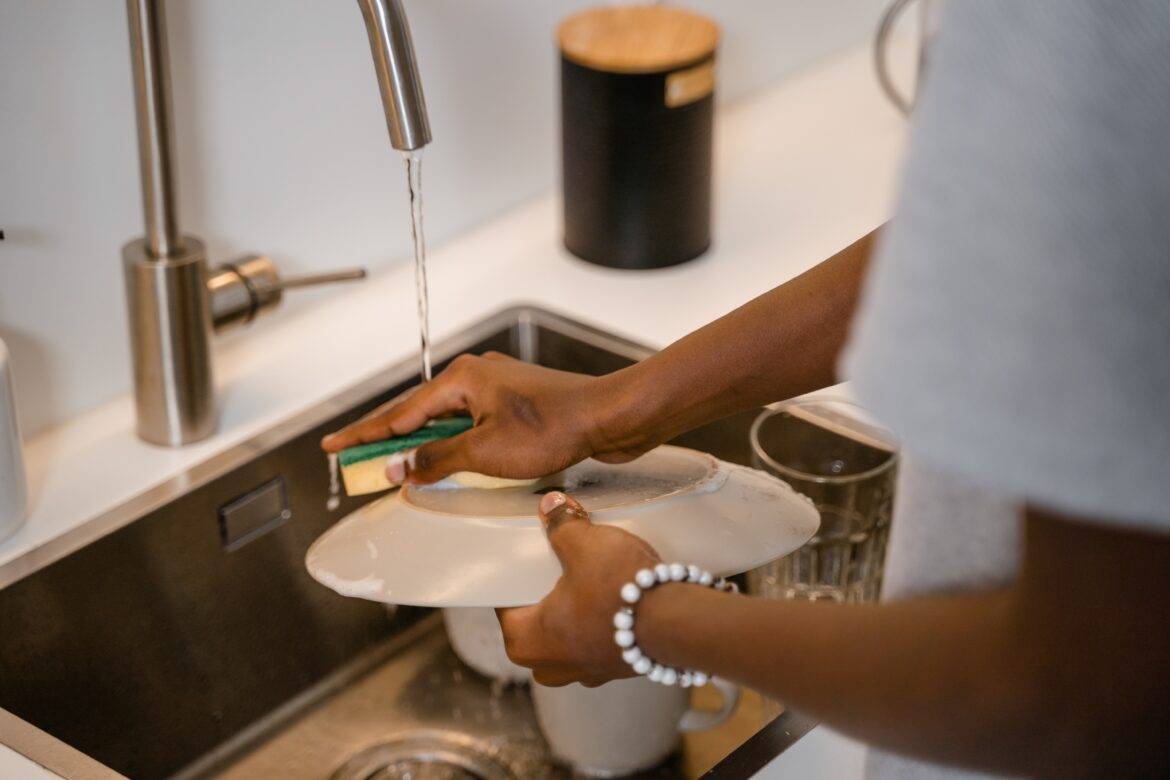
Sweepsouth recently released its sixth annual domestic worker survey, shedding light on payment trends and the impact of economic crises on South African personal employees.
The survey findings revealed a concerning reality: domestic workers in the country continue to earn significantly less than the National Minimum Wage. On average, female domestic workers earn R2,989 per month, while their male counterparts earn R2,812.
Independent economist Ndumiso Hadebe joined 959 Breakfast to provide insights into the implications of these findings, particularly in the context of the minimum wage concept.
Hadebe expressed his concerns about the fairness of these wages, especially for older individuals who may “struggle to prepare for a comfortable retirement when earning below R3,000 per month.”
Moreover, he discussed the impact of inflation on lower-income earners. “For individuals in this income bracket, a larger portion of their income is allocated to essential items like food and non-alcoholic beverages. In contrast, higher-income earners spend a smaller percentage of their income on these items,” he highlighted.
Hadebe pointed out that when inflation rises, those who are earning on the lower end of the income spectrum, are more likely to be adversely affected. This highlights the importance of having a minimum wage from a legislative standpoint.
Furthermore, Hadebe emphasized the significance of the care economy and its contribution to society and the economy. “That is an important debate that needs to be had on what are important enablers when it comes to the economy. That would determine the value from a wage perspective,” said Hadebe in part.



![[WATCH PODCAST] Mr. Mercedes drops highly anticipated project, joining forces with Thabo Smol and Spice Drums](https://www.kaya959.co.za/wp-content/uploads/2026/10/KAYA-959-THUMBNAILS-79-100x100.png)
![[WATCH PODCAST] Tumisho Masha commands the screen as colonel Jack Phatudi in M-Net’s new must-watch series](https://www.kaya959.co.za/wp-content/uploads/2026/10/KAYA-959-THUMBNAILS-78-100x100.png)