
By: Natasha Archary
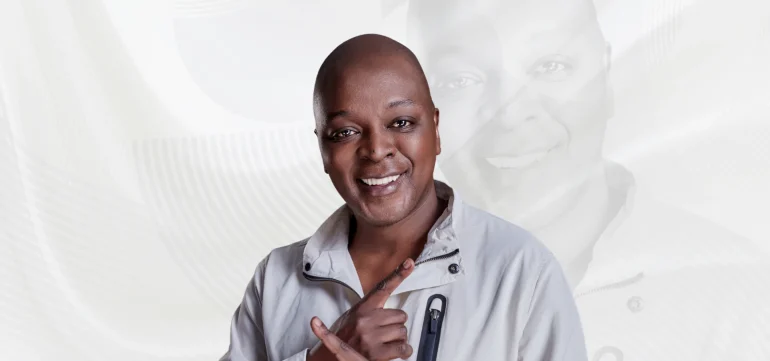
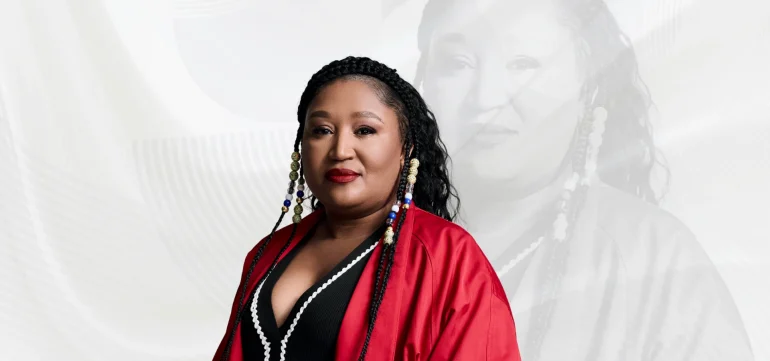
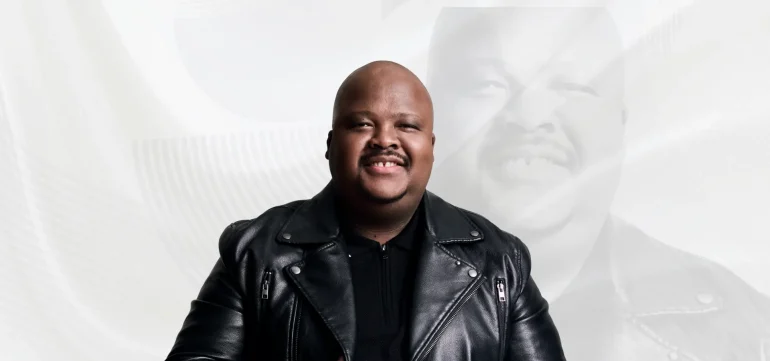
Midday Joy with Unathi speaks to Oncologist, Dr Nokwanda Zuma and Reconstructive Surgeon Dr Brian Monaisa about breast cancer.
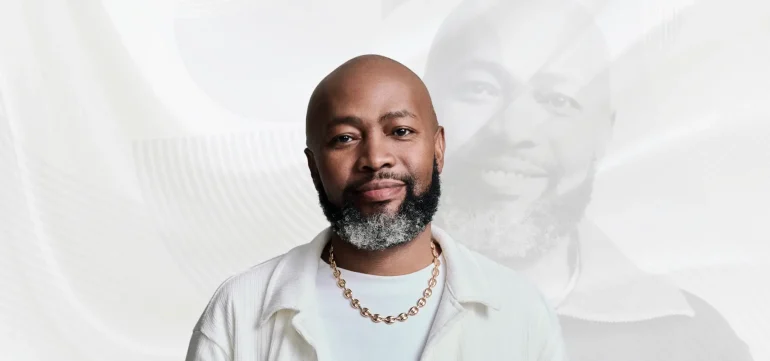
Dr Monaisa is also the founder of Smile Africa Foundation and he notes there’s an increase in more black women being diagnosed with breast cancer.
“Breast cancer is becoming increasingly more aggressive. My work comes in at a later stage, once a woman is cancer free. Usually after surgery to remove the breast tissue or entire breast due to cancer,” he shared with Unathi.
A masectomy is a breast cancer procedure where the entire breast is removed. When a woman cannot be treated with breast-conserving surgery, which spares most of the breast, a masectomy is performed.
Breast reconstructive surgery is when an implant is inserted or tissue from another body part is used to reconstruct the breast.
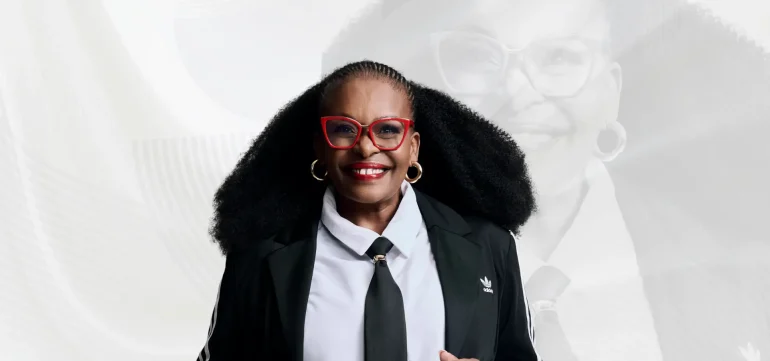
Dr Zuma shared with Unathi, the various treatment options available in treating breast cancer which includes, surgery, radiation oncology and medical oncology.
She advised women not to perform a self-examination when they’re menstruating as the hormones present at the time causes inflammation. The best time to conduct the self-exam is 5 to 10 days after a period.
Kaya 959’s Reloaded presenter Andy Maqondwana speaks to Olivia Curlewis, a Registered Nurse from CANSA.
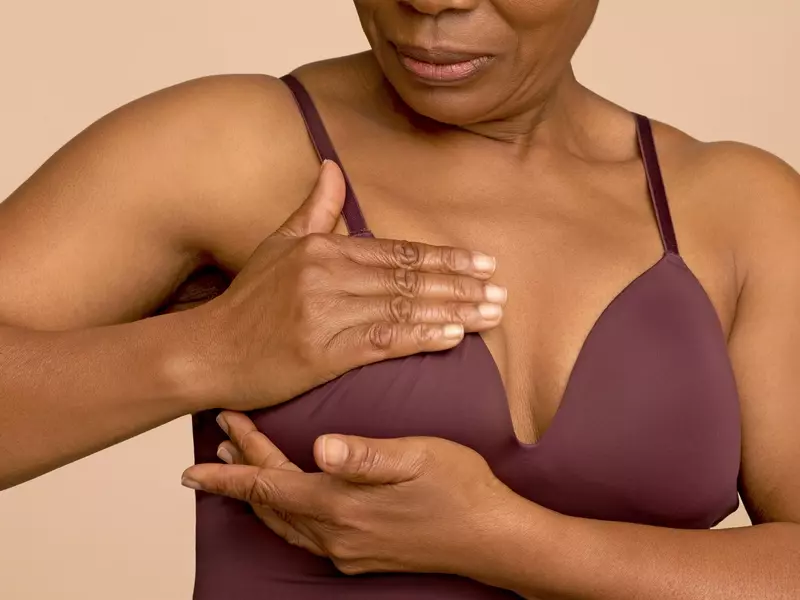
Andy was standing in for Unathi on Midday Joy during the Kaya 959 Wellness Day. Nurse Olivia demonstrates how to perform the breast self-examination.
The self-exam involves feeling around the breast for lumps, noting any physical changes to shape and texture too.
According to Nurse Olivia the breast tissue extends into the underarm area which also needs to felt for lumps, colour change and a textural difference.
Breast self-examination step-by-step
- Stand in front of a mirror
- Use soapy water to make it easier to slide your hand over the breast
- Feel all the way around the breast, moving to the outer part of the breast and up into the underarm
- Move your fingers in small, circular movements
- Extend the arm up over your head when checking each breast
- Next, lie down beginning at the nipple and working outwards
What to look for
- Unless a woman is breastfeeding or pregnant, there should be no discharge from the nipples.
- Skin around the breast should not have a “orange-peel” effect
- Lumps will feel hard and irregular
- Checks should be done every month


![[WATCH PODCAST] Mr. Mercedes drops highly anticipated project, joining forces with Thabo Smol and Spice Drums](https://www.kaya959.co.za/wp-content/uploads/2026/10/KAYA-959-THUMBNAILS-79-100x100.png)
![[WATCH PODCAST] Tumisho Masha commands the screen as colonel Jack Phatudi in M-Net’s new must-watch series](https://www.kaya959.co.za/wp-content/uploads/2026/10/KAYA-959-THUMBNAILS-78-100x100.png)